Telemedicine Pain Management for Fibromyalgia and Daily Flares
Find Relief From Fibromyalgia Flares Without Leaving Home
Living with fibromyalgia can feel like your body has its own rules. One day you are getting things done, the next day pain, stiffness, and deep tiredness make even small tasks hard. These sudden increases in symptoms are often called flares. They can affect work, sleep, family time, and simple plans like grabbing dinner or going to the store.
For many people, the hardest part is how unpredictable flares are. You cannot always drive to a clinic when your pain spikes or when fatigue hits out of nowhere. This is where telemedicine pain management can help. With a secure video visit, you can meet with a pain specialist from home and get support when you need it most.
At our clinic, we use telemedicine to help people across Georgia manage fibromyalgia all year long. We combine virtual visits, personalized plans, and advanced, minimally invasive options when in-office care is needed. This approach can be especially helpful during times when routines shift and pain tends to flare more often, like when schedules change or weather moves from hot to cooler and more humid days.
How Telemedicine Pain Management Works for Fibromyalgia
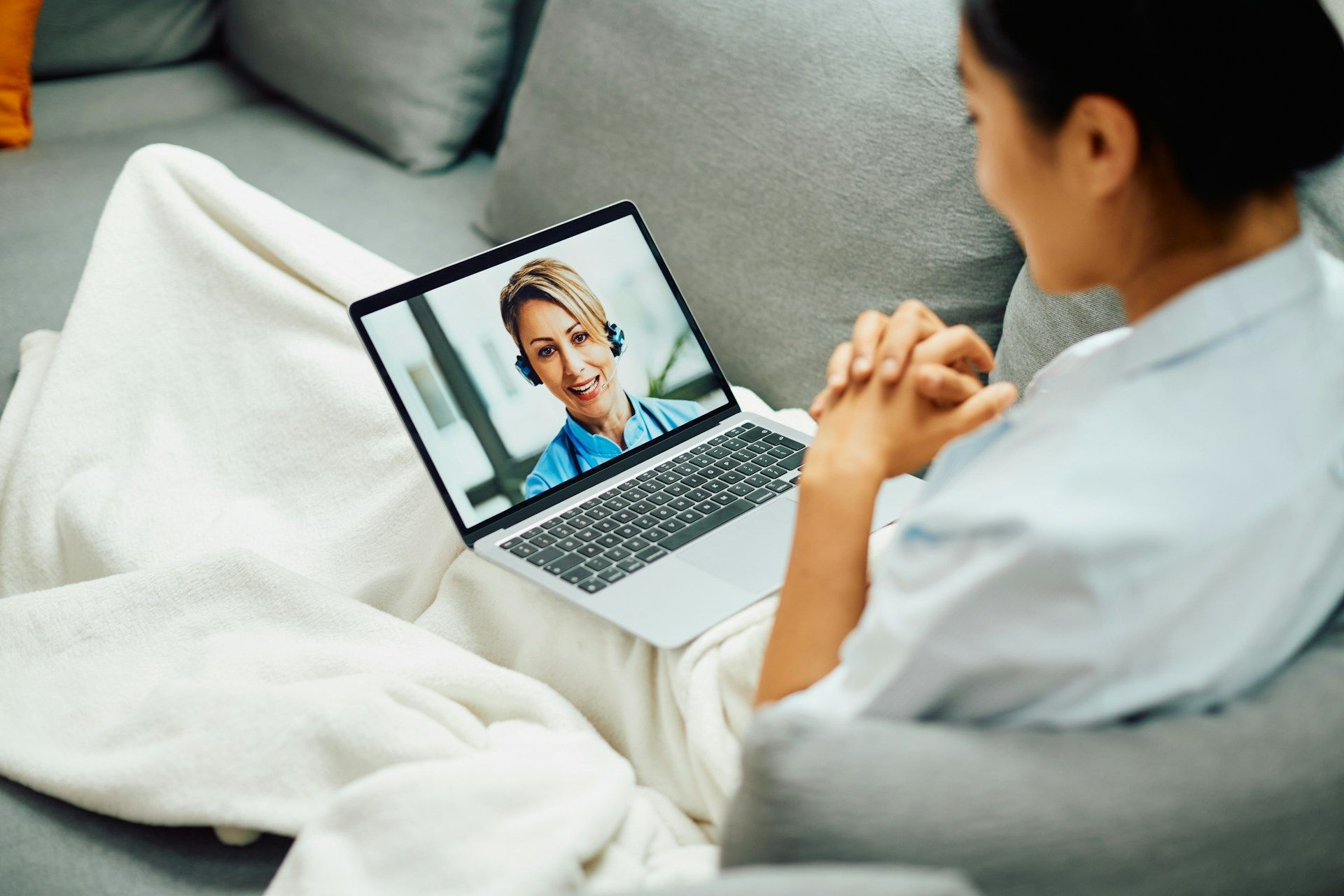
A telemedicine pain visit is a real medical appointment, just done through a screen instead of an exam room. You connect with your provider using a secure video platform on your phone, tablet, or computer. You stay at home, at work, or wherever you feel most comfortable.
In a typical visit, your provider may:
- Review your medical history and current medications
- Talk through your current pain patterns and flares
- Ask about sleep, mood, and energy levels
- Set clear goals, like better sleep or fewer bad pain days
A lot of fibromyalgia care can be done very well through telemedicine. During virtual visits, your provider can:
- Adjust medications when appropriate
- Coach you on pacing your activities and avoiding overdoing it on “good” days
- Give guidance on stretching or gentle movement you can do at home
- Help plan conservative treatments and coordinate in-office procedures when needed
Some people worry that telemedicine is not “real” care because the provider is not touching the painful area. Fibromyalgia is often diagnosed and managed based on your story and symptom patterns, not just a physical exam. We use tools like pain questionnaires, movement checks over video, and review of past imaging or lab work when it is available. These tools help us understand what you are feeling so we can make safe and thoughtful decisions about your care.
Managing Daily Flares with a Virtual Pain Team
Fibromyalgia is not only about big flares that knock you down. Many people have smaller daily ups and downs that slowly wear them out. Telemedicine pain management can support you with both.
Virtual care can help you:
- Have quicker check-ins when pain spikes
- Plan ahead around known triggers, like weather, schedule changes, or stress
- Get help early, before a mild flare grows into a disabling one
During a video visit, your provider may look at how you time your medications and how your pain changes across the day. Together, you might adjust when you take certain medicines or decide which days are best for more activity and which days need more rest.
Your care plan might include:
- Heat or ice routines you can do safely at home
- Gentle home exercises focused on flexibility and light strength
- Simple sleep habits, like bedtime routines and screen limits
- Stress-reduction tools such as breathing exercises or short breaks during the day
Regular follow-up is important for fibromyalgia. Many people keep a short pain and flare journal to share on telemedicine visits. You might note pain levels, sleep quality, activities, weather, and mood. Looking at this together makes it easier to see what helps and what makes things worse. It can also help you feel more supported and less alone between any in-person appointments you may need.
Tailoring Fibromyalgia Care for Georgia Lifestyles
Living with fibromyalgia in Georgia comes with its own set of challenges. Humid days, sudden storms, and swings between hot and cooler temperatures can bother sensitive muscles and joints. On top of this, many people spend long hours driving, standing, or sitting at a computer, which can add to pain.
In our telemedicine visits, we talk about how your daily life in Georgia affects your symptoms. We look at:
- Weather patterns that seem to trigger more pain or stiffness
- Work demands like long commutes, repetitive movements, or heavy lifting
- Family responsibilities that ramp up during busy seasons and add stress
Telemedicine is especially helpful if you deal with fatigue, brain fog, or mobility issues. Travel, traffic, and parking can take a lot out of you, sometimes more than the visit itself. A virtual appointment cuts out that strain, so you can save your limited energy for things that matter most.
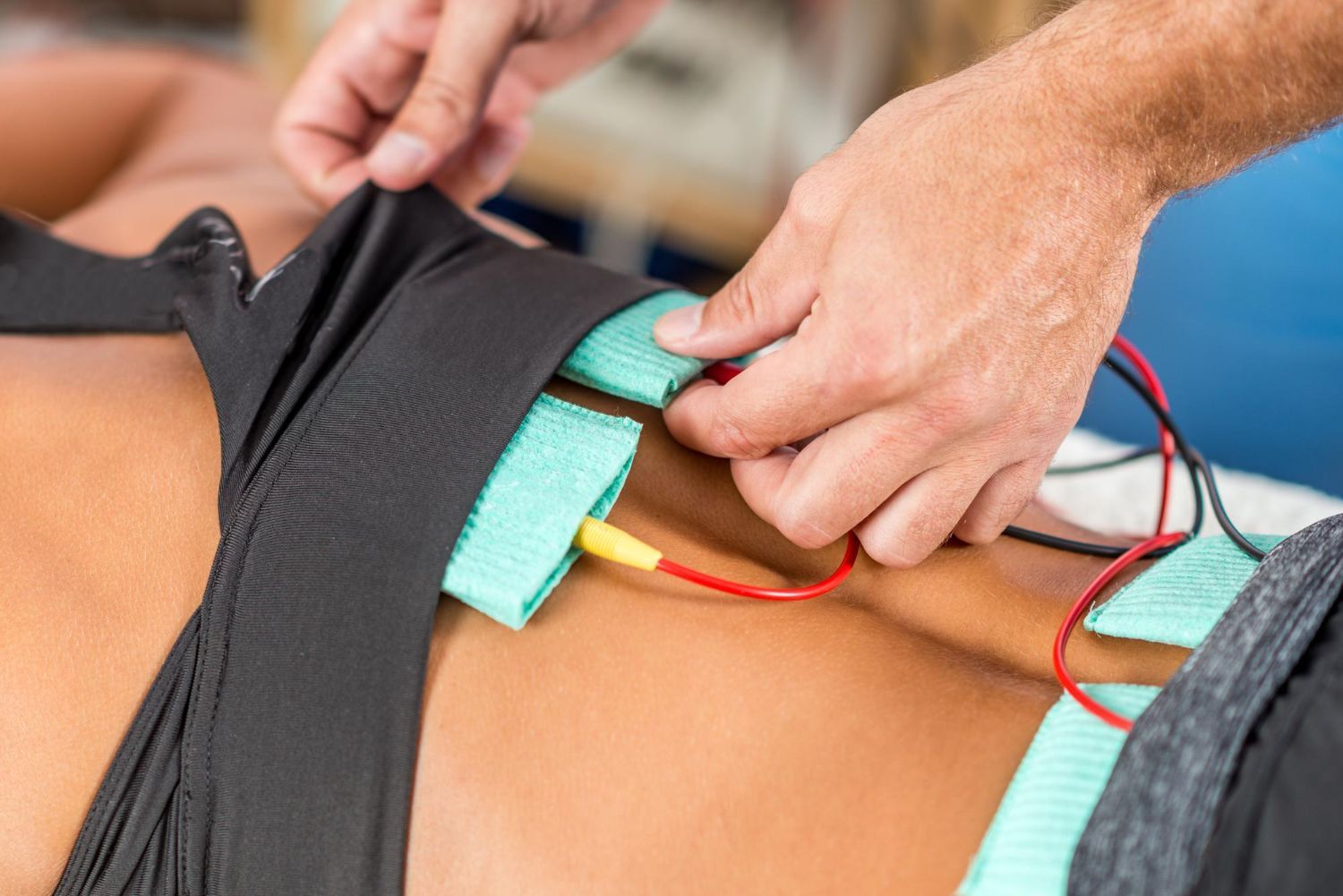
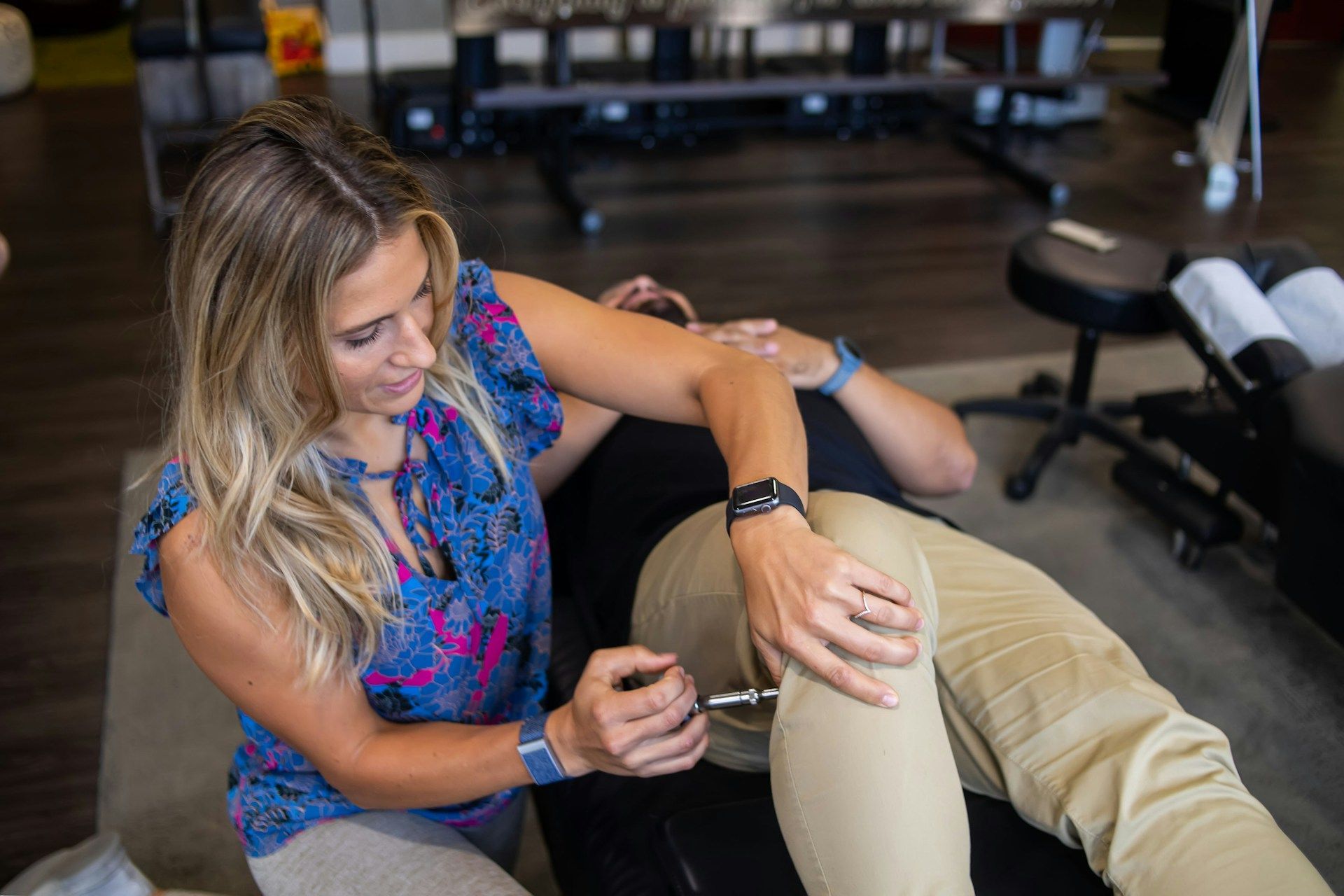
We also take an integrated approach to care. Telehealth visits are a good way to review conservative treatments like medications, physical therapy guidance, and activity pacing. If you also have spine or joint problems that worsen your fibromyalgia pain, we can use virtual visits to decide when an in-office, minimally invasive procedure might be appropriate and plan the details so any trip to the clinic is as focused and efficient as possible.
Technology Tips to Make Virtual Pain Visits Easier
You do not need to be a tech expert to use telemedicine. A few simple steps can make the experience smoother and less stressful.
Before your visit, try to:
- Use a charged smartphone, tablet, or computer
- Test your camera, microphone, and internet connection
- Sit in a quiet, well-lit place where you feel relaxed
- Have your medication list and recent symptoms written down
To get the most from your appointment, it can help to:
- Write down your top questions so you do not forget them
- Keep a short pain and flare journal to share with your provider
- Have a family member or friend sit with you if you want support or help taking notes
Privacy is important. We use secure platforms designed for medical visits to help protect your health information. Being at home can also make it easier to talk openly about your pain, mood, sleep, and daily limits. You can stand, stretch, or lie down if needed, instead of forcing yourself to sit upright in a waiting room or exam chair.
Taking the Next Step Toward Calmer Days and Fewer Flares
Waiting for a “perfect” day to start caring for fibromyalgia often means waiting too long. Pain and flares like to fill every empty space, especially when life gets busier or routines change. Small steps add up, and steady guidance from a pain specialist can help you feel more prepared for whatever your body throws at you next.
At Apollo Spine and Pain Center, we use telemedicine pain management to help people across Georgia build flexible, year-round plans for fibromyalgia and chronic spine and joint pain. Through an initial virtual visit, we can learn your story, understand your goals, and start shaping a plan that fits your life, not the other way around.
Get Convenient Expert Care For Your Chronic Pain
If pain is disrupting your life, we make it easier to get help without leaving home through our
telemedicine pain management services. At Apollo Spine and Pain Center, our specialists work with you one-on-one to understand your symptoms and tailor a treatment plan that fits your daily routine. Schedule a virtual visit today so we can help you take the next step toward safer, more effective pain relief and a better quality of life.