Interventional Pain Management vs. Spine Surgery: Red Flags and Timing
Regain Control Over Pain Without Rushing Into Surgery
Living with spine or joint pain can touch every part of your life. It can make work harder, cut into family time, and steal your sleep. When pain flares during busy seasons, like heading back to school or wrapping up summer projects, it can feel even more overwhelming.
Hearing that you “might need surgery” can bring a lot of fear and pressure. Many people are not sure if they should say yes to surgery, keep trying shots or therapy, or wait and see. Our goal is to give you a clear way to think through those choices.
In this article, we share a simple framework to help you understand when interventional spine pain management makes sense, when spine surgery may be the safer choice, and how to get a confident second opinion. We will also explain how a Georgia-based interventional pain clinic like ours works side by side with spine surgeons so you are not left to figure this out alone.
Understanding Your Pain: When It Signals More Than Wear and Tear
Not all back or joint pain is the same. At interventional pain clinics, we often see conditions like degenerative disc disease, herniated discs, spinal stenosis, facet joint arthritis, sacroiliac joint problems, and long-lasting pain in hips, knees, or shoulders.
A key first step is understanding what your pain feels like and where it goes. That gives important clues about what might help most.
You might notice:
- Mechanical pain that is worse with certain positions, like bending, twisting, standing, or sitting too long
- Nerve-related pain that feels sharp, shooting, burning, or like electric shocks down an arm or leg
- Tingling or numbness in fingers, toes, or along a leg or arm
- Stiff, aching pain that feels deep in the joints of the spine or pelvis
Everyday activities can flip the switch on these symptoms. Things like yardwork, carpool lines, long commutes, standing on the sidelines for sports, working at a desk, or cleaning the house often bring out problems that were “quiet” before.
Pay attention to:
- How long the pain has been going on
- What makes it better or worse
- Whether it stays in one spot or travels into the arms or legs
- Whether you feel weakness, heaviness, or clumsiness
These details help your care team decide if interventional spine pain management is a good next step or if you should also talk with a spine surgeon.
Interventional Spine Pain Management: What It Can and Can’t Do
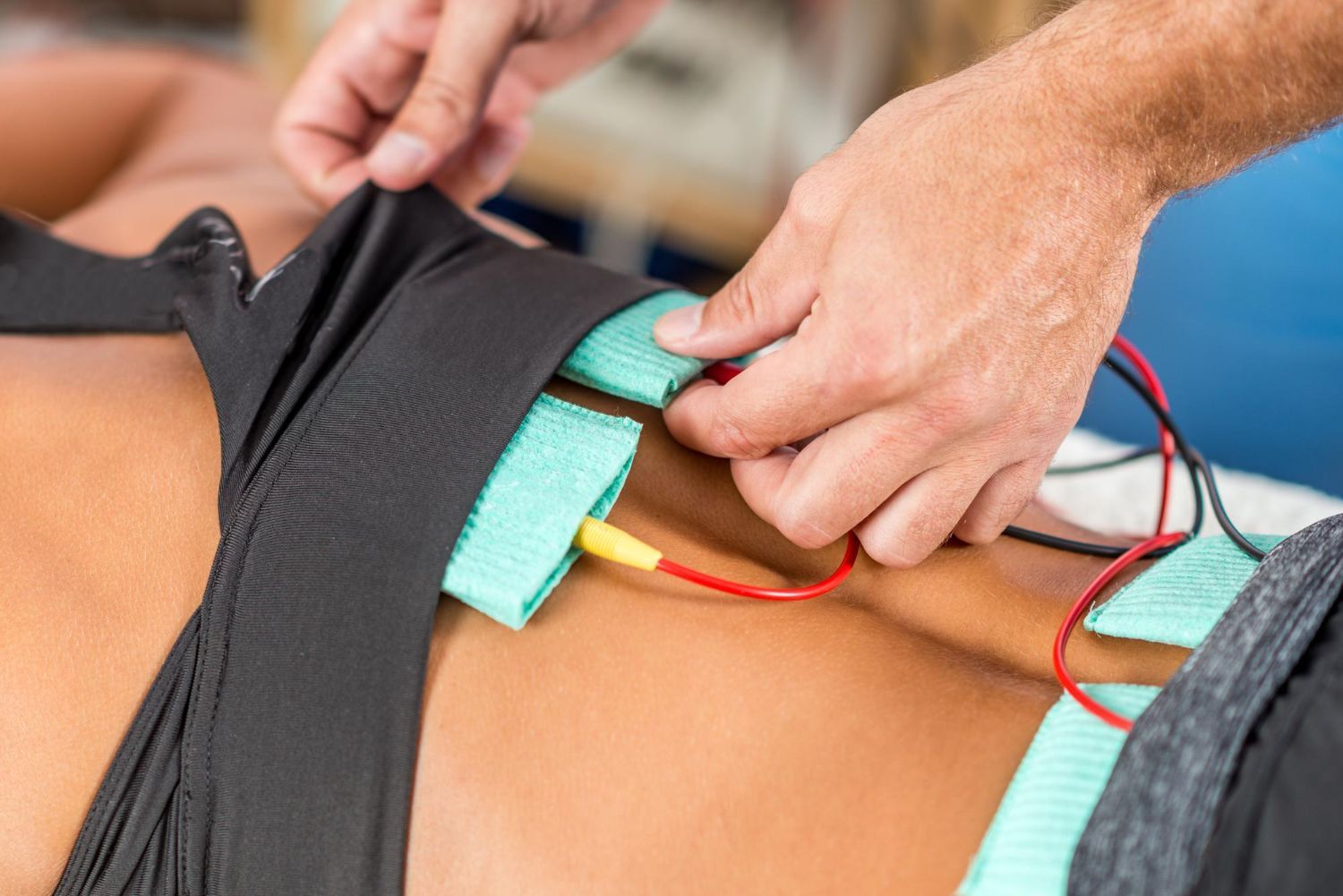
Interventional spine pain management focuses on treating pain with targeted, minimally invasive procedures instead of large operations. These are usually done as outpatient visits, often with the help of imaging like X-ray or ultrasound so we can be very precise.
Common procedures include:
- Epidural steroid injections for arm or leg pain from irritated nerves
- Facet joint injections for aching pain from the small joints in the spine
- Medial branch blocks and radiofrequency ablation to calm painful nerve signals from arthritic joints
- Sacroiliac joint injections for pain in the low back, buttock, or pelvis
The benefits of these treatments often include shorter recovery time, less need for strong pain pills, and a better chance to keep working, parenting, and staying active. For many people, these procedures open a window where physical therapy, gentle exercise, and lifestyle changes can start to help more.
It is important to keep expectations realistic. Interventional treatments can:
- Lower pain levels
- Improve movement and function
- Delay or sometimes avoid surgery
- Help confirm exactly where the pain is coming from
They are not magic, and they work best as part of a plan that may include therapy, stretching, strength work, weight control, and posture changes. There are also limits. Some severe structural problems may not respond well to injections alone.
Interventional care may not be enough if you have:
- A very large disc herniation that is clearly pressing on a nerve
- Noticeable spinal instability, where bones are shifting too much
- Significant spinal deformity
- Signs of progressive nerve damage
In those situations, it is important to include a spine surgeon in the conversation.
When Spine Surgery Moves From Option to Necessity
There are some red flags that make surgery less of a choice and more of a medical need. If you notice any of these, you should seek urgent surgical evaluation:
- New or quickly worsening weakness in an arm or leg
- Sudden trouble walking or keeping your balance
- Loss of control of your bladder or bowels
- Severe numbness in the groin or inner thighs
- A fall, car crash, or other major injury followed by strong back or neck pain
- Fever or chills, along with intense spine pain
These signs can point to serious nerve or spinal cord problems or infection. In those cases, delaying surgery can raise the risk of permanent damage.
There are also “yellow flags” that suggest surgery might become the right choice if other steps fail, such as:
- Disabling pain that hangs on longer than a few months
- Little or no relief from well-timed injections and committed physical therapy
- MRI or CT images that show nerve compression that clearly matches your symptoms
- Pain so severe it blocks sleep and basic daily tasks even after trying several non-surgical options
A high-quality interventional pain practice does not just repeat the same injections over and over. Instead, we work closely with surgeons to:
- Use diagnostic injections to confirm the true pain source
- Share detailed imaging and procedure reports
- Help decide when surgery is likely to give a better long-term result than more procedures
Unless serious red flags are present, many patients do have time to try interventional spine pain management first. That can be helpful when planning around work projects, school calendars, or travel plans.
Your Second-Opinion Checklist Before Saying Yes to Surgery
If you have been told you might need spine surgery, a clear second opinion can bring peace of mind. Here are questions to ask both an interventional pain specialist and a spine surgeon:
- What is the main source of my pain, in plain language?
- What non-surgical options are still available for me?
- What are the realistic benefits and risks of surgery for my exact condition?
- What are the realistic benefits and risks of interventional procedures in my case?
- What happens if I wait or do nothing new right now?
A practical checklist before planning a surgery date includes:
- Making sure you have tried appropriate physical therapy and medications
- Confirming that your MRI or CT is recent and clearly reviewed with you
- Going over how you responded to any past injections or procedures
- Asking whether more targeted or advanced interventional options exist for your issue
An independent second opinion at a dedicated interventional spine pain management clinic can help confirm if surgery is truly the best step, or if more conservative care could still help. A good medical partner will:
- Explain your imaging in straightforward terms
- Welcome questions and repeat answers as needed
- Avoid rushing you into a fast decision
- Offer to coordinate care with other specialists rather than working in a silo
At Apollo Spine and Pain Center, located in Georgia, we focus on this type of open, team-based approach for people with spine and joint pain.
Next Steps to Confidently Choose Your Path Forward
If your spine or joint pain is getting worse, hoping it will simply fade often leads to more stress and fewer options. Early evaluation can open up more non-surgical choices and help you avoid last-minute pressure about surgery.
Helpful steps you can take now include keeping a short pain diary for a week or two, gathering old imaging and medical reports, and listing all medications and treatments you have tried. Bringing this information to an interventional pain specialist makes your visit more productive and focused.
For people in Georgia and nearby areas, Apollo Spine and Pain Center offers careful evaluation, minimally invasive interventional treatments, and close collaboration with spine surgeons when surgery becomes the safer, smarter option. Our goal is to help you choose between interventional spine pain management and spine surgery with clarity and confidence, so you can get back to the life you care about most.
Regain Comfortable Movement With Targeted Spine Pain Relief
If chronic back or neck pain is limiting your life, we are here to provide precise, minimally invasive solutions tailored to your needs. At Apollo Spine and Pain Center, our team focuses on advanced
interventional spine pain management to help reduce pain and improve function without relying solely on long-term medications. We will work with you to understand your goals and design a personalized treatment plan. Take the next step toward lasting relief by scheduling an appointment with our specialists today.