PRP Therapy for Rotator Cuff Injuries
Rotator cuff injuries are a common issue affecting shoulder function and movement. These injuries can make it difficult to perform everyday tasks like lifting objects or reaching overhead. Rotator cuffs consist of muscles and tendons that surround the shoulder joint, providing essential support and stability. When these tendons become damaged or inflamed, it leads to pain and decreased mobility.
In recent years, Platelet-Rich Plasma (PRP) therapy has emerged as a promising treatment for these injuries. PRP therapy involves using a component of your own blood to promote healing and repair damaged tissues. This natural approach not only accelerates the healing process but also minimizes the need for surgical intervention.
As people seek alternatives to surgery and traditional treatments, PRP therapy offers a less invasive option with real potential for recovery. Understanding how PRP therapy works and its benefits for rotator cuff injuries can help those looking for effective treatment options. With PRP therapy, there's hope for improved shoulder health and a return to normal activities without persistent pain.
Understanding Rotator Cuff Injuries
The rotator cuff is a vital component of the shoulder, comprising four muscles and their tendons. These tendons connect the shoulder blade to the upper arm bone, allowing for a wide range of motion while keeping the shoulder joint stable. This complex structure facilitates activities such as lifting, rotating, and moving the arm. However, due to its extensive use and position, it's susceptible to injuries.
Common causes of rotator cuff injuries include repetitive overhead movements, heavy lifting, or sudden trauma. Athletes or individuals involved in jobs requiring overhead motions often experience these injuries. Symptoms to watch for include persistent shoulder pain, especially when lifting the arm, and a crackling sensation during movement.
Injuries to the rotator cuff can significantly impact daily life. Tasks that seemed effortless before, like reaching for an item on a high shelf, become challenging. The constant discomfort can lead to sleep disturbances and reduce the overall quality of life. It's essential to address these symptoms early to prevent further complications and loss of shoulder function.
Exploring PRP Therapy
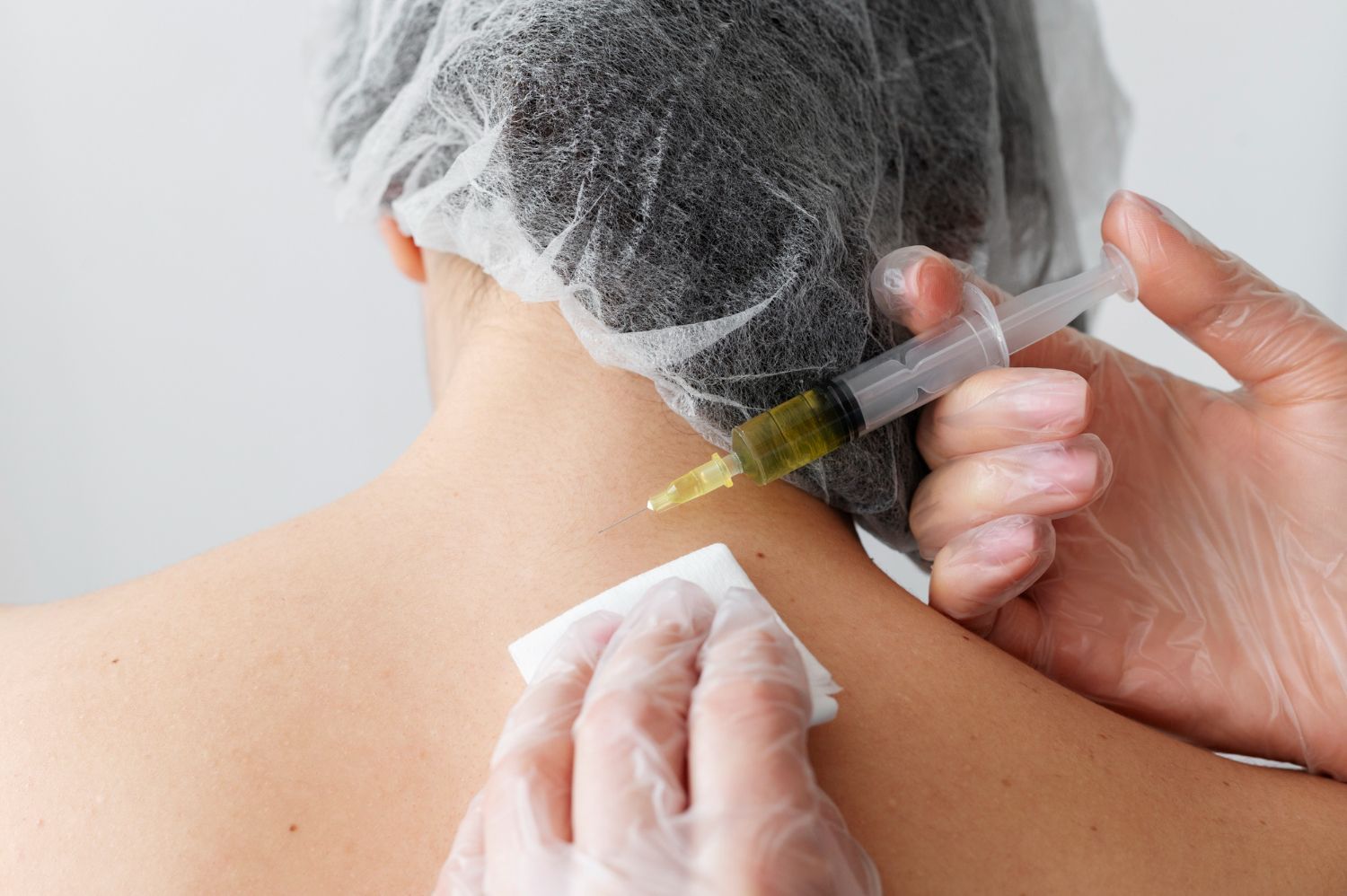
Platelet-Rich Plasma (PRP) therapy is an innovative treatment that uses components from a patient's own blood to repair and regenerate injured tissues. Blood is drawn and then spun in a centrifuge to concentrate the platelets, which are rich in growth factors and proteins essential for healing. This concentrated PRP is then injected into the injured area.
For rotator cuff injuries, PRP therapy aids by reducing inflammation and promoting the repair of torn tendons. The growth factors accelerate the body's natural healing processes, targeting damaged areas more effectively than other treatments. This therapy supports tissue regeneration, helping restore shoulder function more rapidly.
The advantages of PRP therapy over traditional treatments are notable. Unlike surgery, PRP is minimally invasive with fewer risks and recovery time. It avoids the side effects associated with long-term pain medications. Furthermore, the natural, autologous nature of PRP reduces the likelihood of adverse reactions, making it a safe option for many. As awareness and research grow, PRP continues to shine as a promising treatment for rotator cuff injuries.
The PRP Therapy Process
PRP therapy for rotator cuff injuries is a straightforward procedure. It begins with a simple blood draw, similar to a routine lab test. The collected blood is placed in a centrifuge, which spins it at high speed to separate the platelets from other blood components. This process results in a concentrated platelet-rich plasma, ready for use.
Once the PRP is prepared, it is injected directly into the injured area of the rotator cuff. Doctors may use ultrasound guidance to ensure precise injection, targeting the specific site that requires healing. The entire process typically takes about an hour, and patients can usually go home soon after.
During PRP therapy, patients may experience mild discomfort at the injection site, but this is generally short-lived. After the procedure, rest is important to allow the body to begin its healing process. Some swelling or soreness may occur, but these symptoms typically subside within a few days. Patients can gradually return to light activities, following their doctor’s advice on full recovery and rehabilitation timelines.
Effectiveness and Future of PRP Therapy
Research on PRP therapy for rotator cuff injuries shows promising results. Many studies highlight the therapy’s potential to enhance healing and reduce pain. By accelerating tissue repair, PRP offers an effective solution for those seeking to improve shoulder functionality without surgery. Patients report significant pain reduction and improved movement, leading to a higher quality of life.
Success rates vary based on individual conditions and severity of injury. However, patient experiences consistently indicate positive outcomes when PRP therapy is combined with physical therapy and other treatments. As PRP research evolves, new techniques and applications continue to enhance its effectiveness, offering hope to even more patients.
Future developments in PRP therapy are focused on improving concentration techniques and exploring combinations with other regenerative methods. These advances aim to further shorten recovery times and provide long-lasting relief from rotator cuff injuries. Continuous research supports PRP therapy as a reliable and forward-thinking treatment option.
Conclusion
Rotator cuff injuries can be debilitating, affecting everyday activities and overall well-being. Understanding the anatomy, common causes, and impact of these injuries is crucial in finding effective treatment options. PRP therapy offers a promising alternative to traditional invasive methods, promoting natural healing and tissue repair.
The process involved in PRP therapy is simple yet innovative, using the body’s own resources to accelerate recovery. With research supporting its effectiveness, PRP therapy stands out as a valuable treatment for those experiencing rotator cuff injuries. As advancements in regenerative medicine continue to grow, PRP therapy's role will likely expand, providing hope to many.
If you're struggling with a rotator cuff injury and looking for a modern approach to recovery,
PRP pain management therapy might be just what you need. At Apollo Spine and Pain Center, our expert team can guide you through the process, helping you regain strength and mobility. Contact us today to learn more about how PRP therapy can help you live pain-free and active.