Coping with Phantom Limb Pain
Phantom limb pain is a mysterious yet challenging condition that affects many amputees. Despite the absence of the limb, individuals experience real sensations, often feeling pain or discomfort in the missing part. Understanding why this happens is crucial for finding effective coping strategies and treatments.
The brain continues to receive signals as if the limb were still there, leading to these sometimes painful sensations. For those dealing with such pain, it can deeply affect their emotional and physical well-being. This makes managing phantom limb pain essential for improving quality of life.
Finding relief involves exploring a mix of treatments, from medications and physical therapies to innovative techniques like mirror therapy. Getting the right diagnosis and support plays a vital role in managing this condition. Understanding what you'll face can make handling phantom limb pain a bit easier and help in the road to recovery.
Understanding Phantom Limb Pain
Phantom limb pain is a condition where individuals feel pain in a limb that is no longer there. This phenomenon occurs because the brain continues to receive signals from nerves that originally carried information from the missing limb. These nerves can still send pain messages, even when the limb is gone. This misunderstanding can lead to painful sensations, ranging from mild discomfort to sharp, severe pain.
The brain plays a crucial role in this process. It retains a "map" of the body, which includes the missing limb. Even after amputation, the brain tries to communicate with the absent part, as if it were still present. This interplay can result in various sensations, including itching, tingling, and pain.
Phantom limb pain can significantly affect amputees' quality of life. It's not just about the physical pain. There's also an emotional impact. The frustration of feeling sensations in a limb that isn’t there can lead to stress and psychological distress. This emotional burden, combined with physical discomfort, can make daily activities challenging and reduce overall life satisfaction. Understanding these effects is the first step in managing phantom limb pain effectively.
Diagnosis and Assessment
Accurate diagnosis is key in managing phantom limb pain effectively. Proper assessment helps in understanding the nature and severity of the pain, enabling healthcare providers to create tailored treatment plans. Diagnosis often involves a thorough review of the patient's medical history and a detailed discussion of symptoms. Understanding when and how the pain occurs can provide vital clues for effective management.
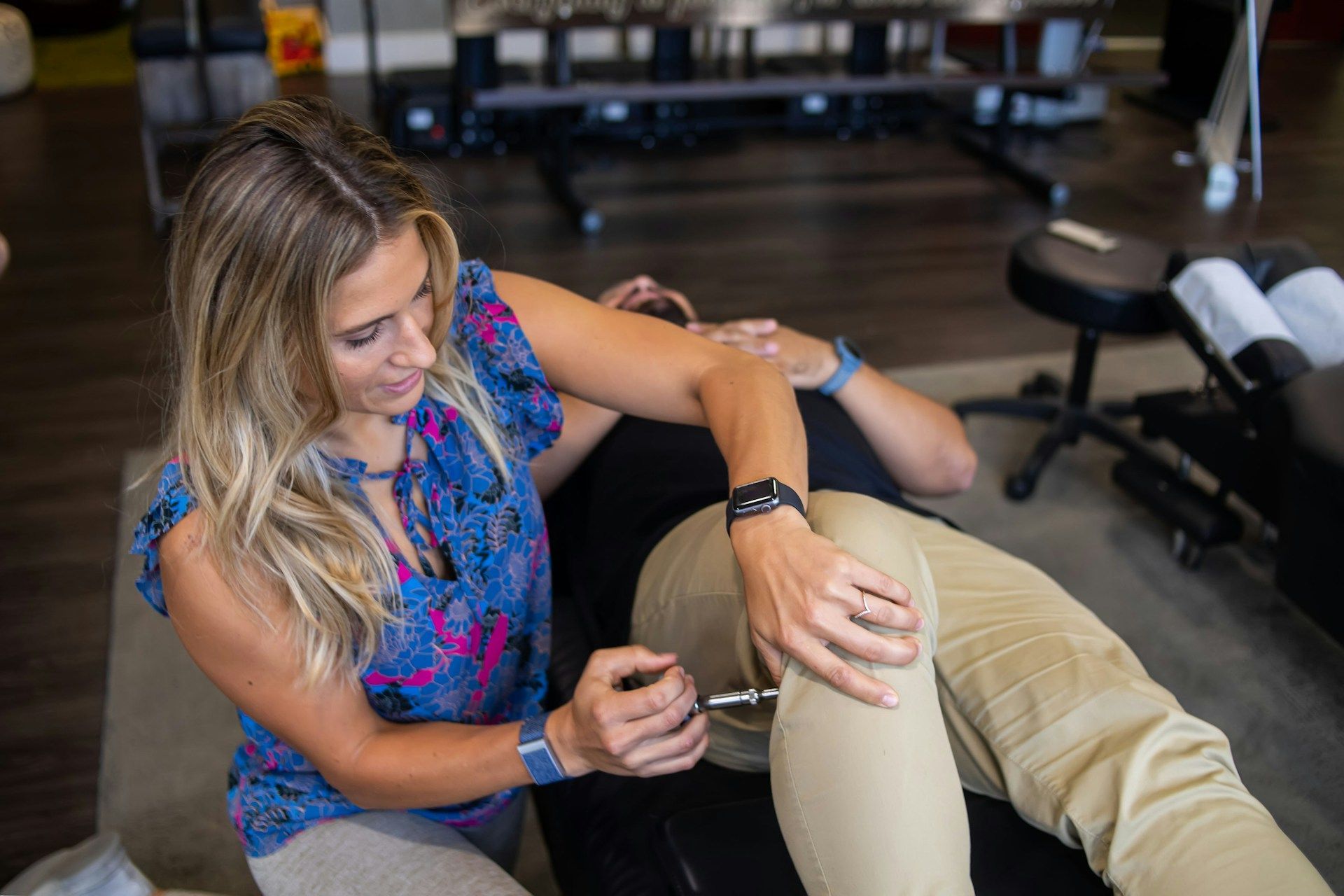
Common diagnostic techniques include physical examinations and patient interviews. These methods help doctors gather information on pain patterns and triggers. In addition, advanced imaging techniques can be used to rule out other causes of pain and assess any related issues. These tools are crucial for developing a comprehensive treatment approach.
Another important component is collaboration between the patient and healthcare provider. Open communication ensures that all aspects of the pain are considered, leading to better management options. By discussing their experiences, patients can help doctors identify specific triggers and patterns. This collaborative approach not only aids in diagnosis but also helps in selecting the most appropriate treatment strategies, ensuring a holistic approach to managing phantom limb pain.
Treatment and Management Strategies
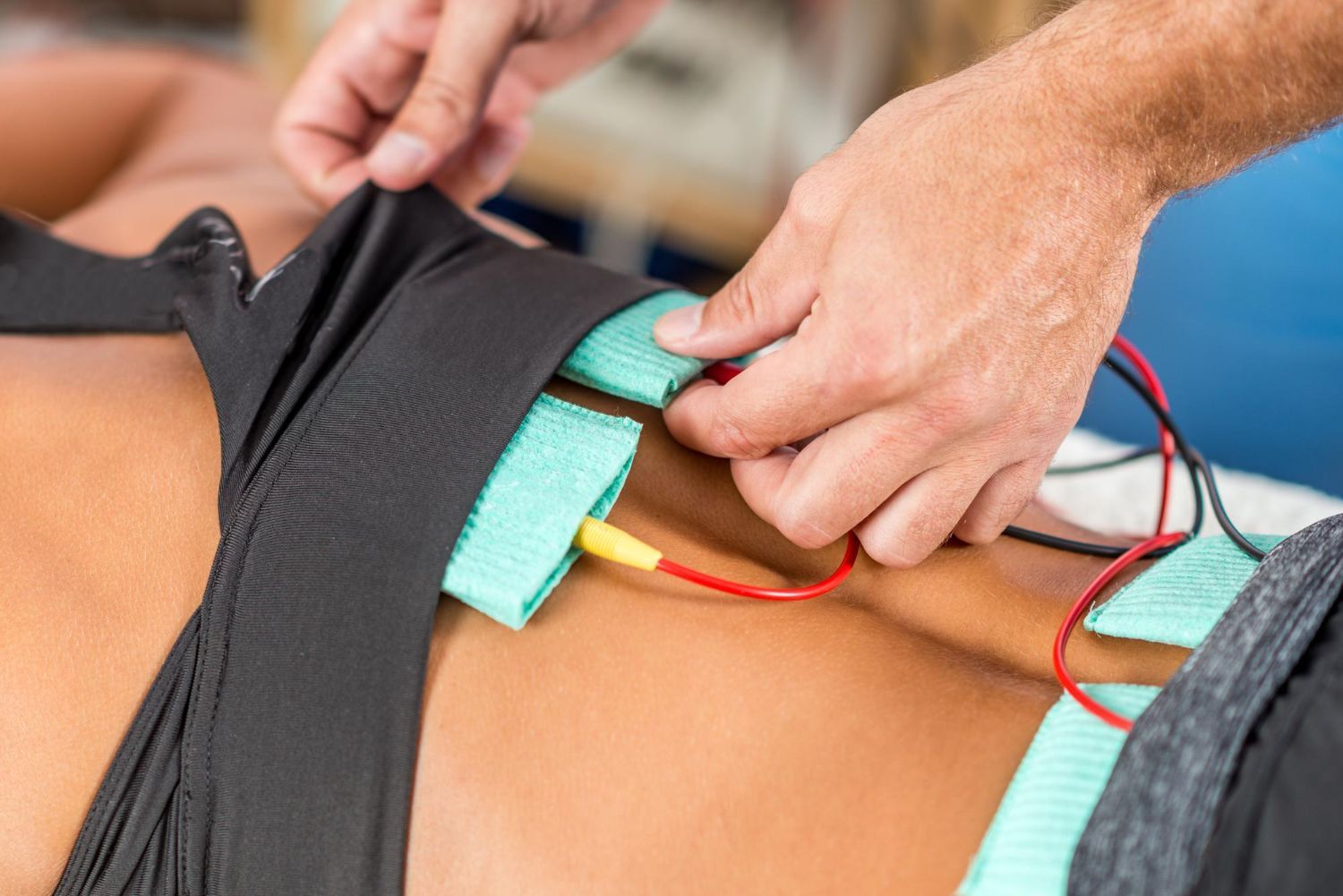
Managing phantom limb pain effectively requires a combination of treatments tailored to individual needs. Medication is one common approach, with options like anticonvulsants and antidepressants often prescribed to manage pain signals. These medications help by altering the way the brain processes pain, providing relief for many individuals.
Beyond medication, non-pharmacological therapies offer alternative ways to alleviate phantom limb pain. Mirror therapy is a popular method that uses visual feedback to trick the brain into perceiving movement in the missing limb, reducing pain sensations. Virtual reality is another innovative tool that creates immersive environments to engage the brain differently, potentially decreasing pain perception.
Interventional pain management techniques also play a role in treatment. These methods might include nerve blocks or spinal cord stimulation, targeting pain at its source. By using a combination of these strategies, patients can achieve better control over their phantom limb pain, improving their quality of life.
Self-Care and Support Systems
Living with phantom limb pain requires developing practical coping strategies. Establishing a daily routine that incorporates relaxation exercises and stress management can help manage pain levels. Simple activities like deep breathing exercises, meditation, or gentle physical activity can offer much-needed relief.
Emotional support and counseling are equally important in managing phantom limb pain. Psychological support can provide an outlet for individuals to express their feelings and develop coping mechanisms. Counseling sessions can teach techniques to manage stress and anxiety, having a positive impact on pain management.
Access to resources and support groups is invaluable. Support groups offer a chance to connect with others who understand the challenges of phantom limb pain, providing advice and encouragement. Sharing experiences and learning from others can build a sense of community, easing feelings of isolation and fostering resilience.
Conclusion:
Phantom limb pain presents unique challenges, but understanding its nature and pursuing tailored treatment strategies can make a significant difference. Addressing this condition involves combining medical treatments with supportive therapies and self-care practices. It's important to remember that each individual's experience is unique, requiring a personalized approach to manage symptoms effectively.
At Apollo Spine and Pain Center, our goal is to support individuals facing phantom limb pain with comprehensive, customized care plans. Our team is dedicated to providing effective pain management in Cumming, GA. If you are experiencing phantom limb pain and seeking relief, contact us today. Let Apollo Spine and Pain Center guide you on your journey to improved comfort and well-being.