Should You Try PRP Pain Management for Summer Sports Injuries
Get Back in the Game Faster This Summer
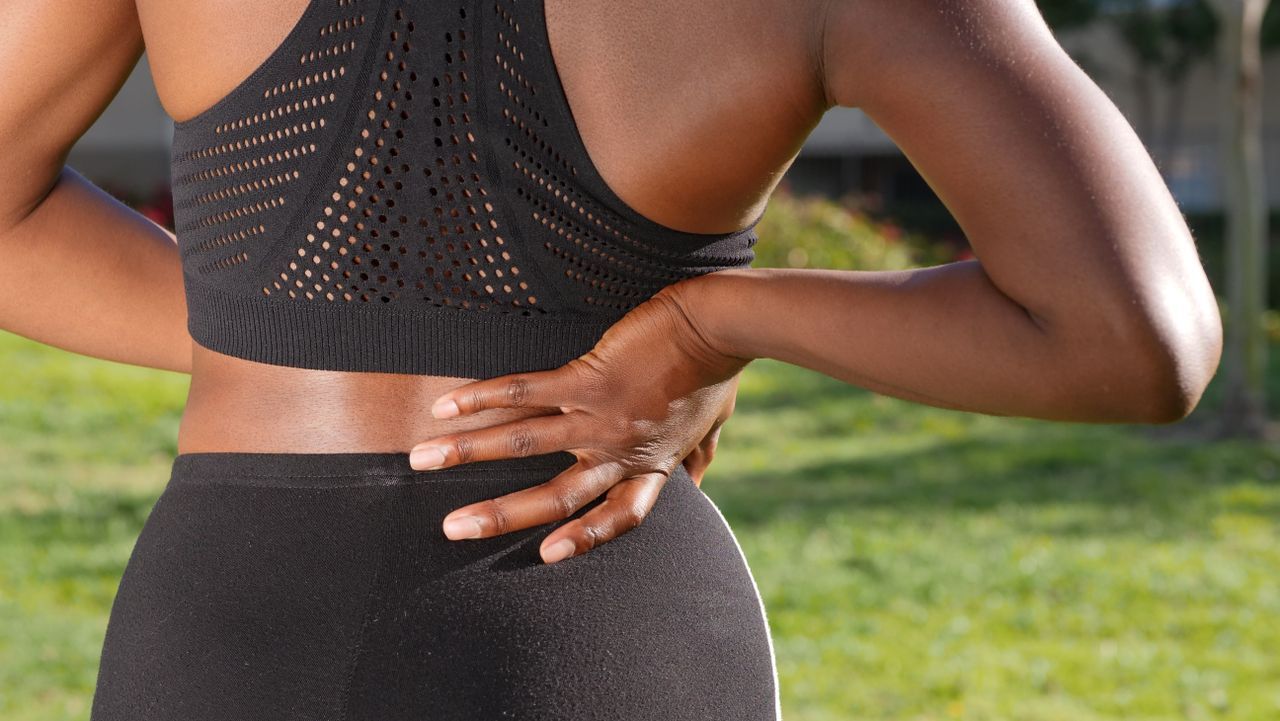
Summer in Georgia is prime time for tennis, pickleball, golf, running, and weekend leagues. Longer days and warm evenings pull many of us outside for one more set or one more mile. With that extra play often comes sore elbows, aching knees, and stubborn shoulder pain that refuses to settle down.
Many active adults try to push through with ice, over-the-counter pills, or a quick break from their sport. Others are told to rest for weeks or even months, which can feel frustrating when the season is short. Some are offered surgery when they are not ready for that step. That is where PRP pain management may come in as another option.
In this article, we will talk about what PRP is, which summer sports injuries it may help, how it fits into your season, and what treatment is like at our clinic. Our goal is to give you clear, simple information so you can talk with a pain specialist about whether this approach makes sense for your body and your goals.
What PRP Pain Management Really Is
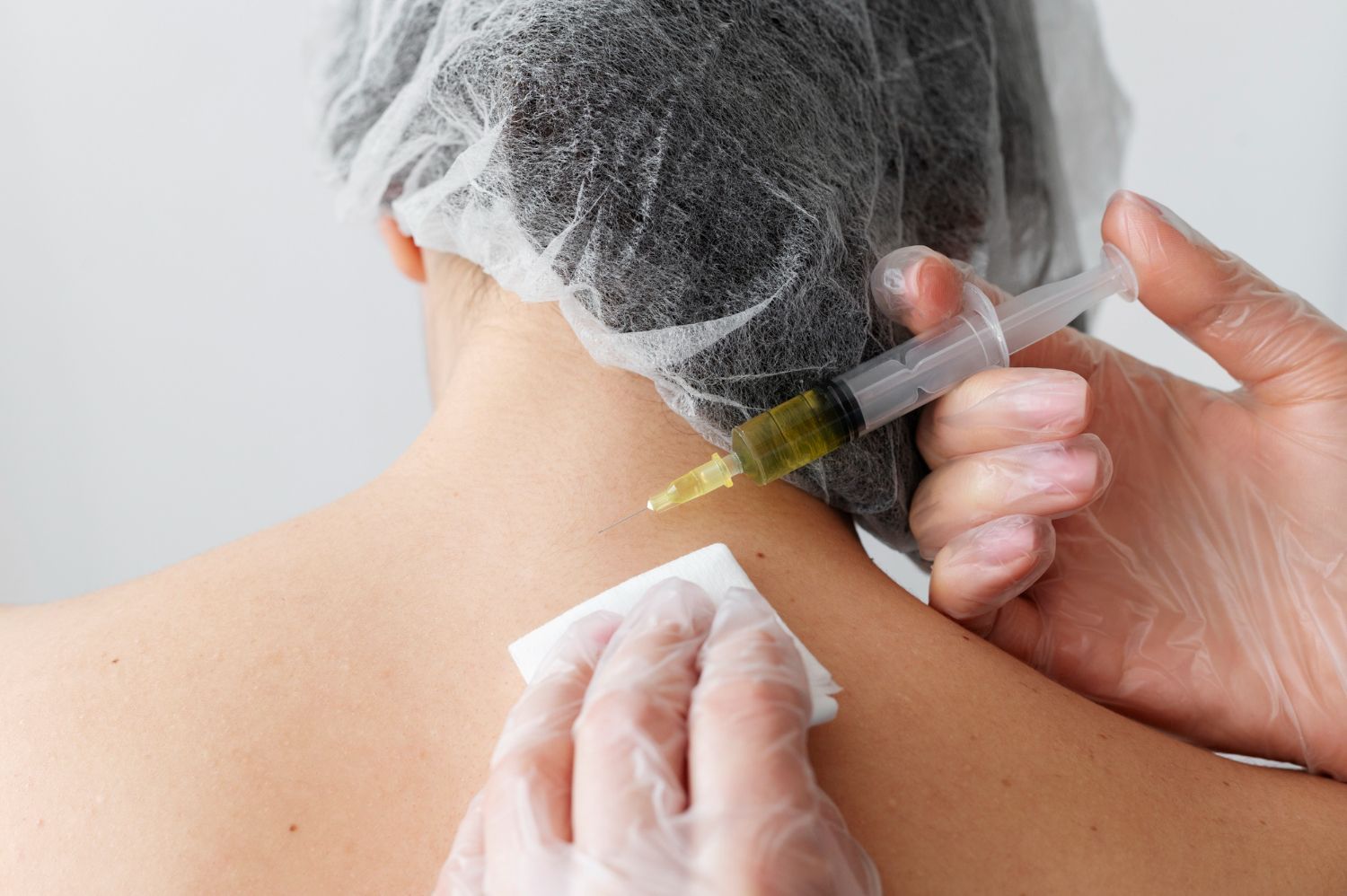
PRP stands for platelet-rich plasma. Platelets are tiny blood cells that help with clotting and also carry growth factors, which are natural signals your body uses during healing. With PRP, a small amount of your own blood is processed so the platelets are concentrated into a powerful solution.
The process usually has three main steps:
- A standard blood draw from your arm
- Spinning that blood in a centrifuge so the platelets separate from other cells
- Injecting the concentrated platelets into the injured area with careful guidance
PRP pain management is different from cortisone or numbing shots. Cortisone injections are often used to calm inflammation and reduce pain for a period of time. Numbing injections mostly block pain for a few hours. PRP is not meant to simply cover up pain. It is designed to support the body’s natural repair process in the tissue itself.
Because PRP is made from your own blood, it is called autologous. That usually lowers the chance of allergy or rejection. Common side effects can include temporary soreness, swelling, or stiffness in the injected area, especially in the first few days. A pain specialist will review your medical history to see if this type of treatment is safe for you.
Common Summer Sports Injuries PRP May Help
Overuse injuries build slowly. One extra match in the Georgia heat, one more long run, and the pain that was mild in spring may suddenly feel like it is not going away. Some of the conditions where PRP is sometimes considered include:
- Tendon and ligament problems from racquet and overhead sports, such as tennis or pickleball elbow, golfer’s elbow, jumper’s knee, Achilles tendinitis, and rotator cuff tendinopathy
- Joint pain related to repetitive impact, like mild to moderate knee osteoarthritis, hip pain that flares when you increase walking or hiking, and recurring ankle sprains
- Soft tissue strains and sprains, including stubborn hamstring strains, plantar fasciitis in walkers and runners, and shoulder strain from water sports or throwing
PRP is often discussed when:
- Rest and activity changes have not fully helped
- Physical therapy and home exercises bring only partial relief
- Medications or previous injections reduce pain for a while but do not last
- Surgery seems too aggressive or you want to try more conservative options first
A proper exam is important, because not every injury is a good match for this treatment. Some problems respond better to other types of interventional pain care or to structured rehab alone.
How PRP Pain Management Fits Your Summer Timeline
When people hear the word injection, they sometimes think of instant relief. PRP is different. It is more about long-term healing than quick numbing. It usually follows a timeline like this:
- Soreness or a flare of pain for a few days after the injection
- Gradual easing of pain over several weeks
- Ongoing change in strength or function over a few months as tissue remodels
For many athletes and active adults, late spring or early summer can be a smart time to plan PRP. This can give your body time to respond before big trips, tournaments, or fall races. Even if you are already in the middle of your season, it may be worth a conversation about how treatment might fit into your schedule.
You will likely need to adjust activity for a period of time. That might mean:
- Taking a break from heavy serves, long runs, or heavy lifts
- Swapping to low impact options like cycling, pool work, or gentle walking
- Following a specific plan from your pain specialist and physical therapist
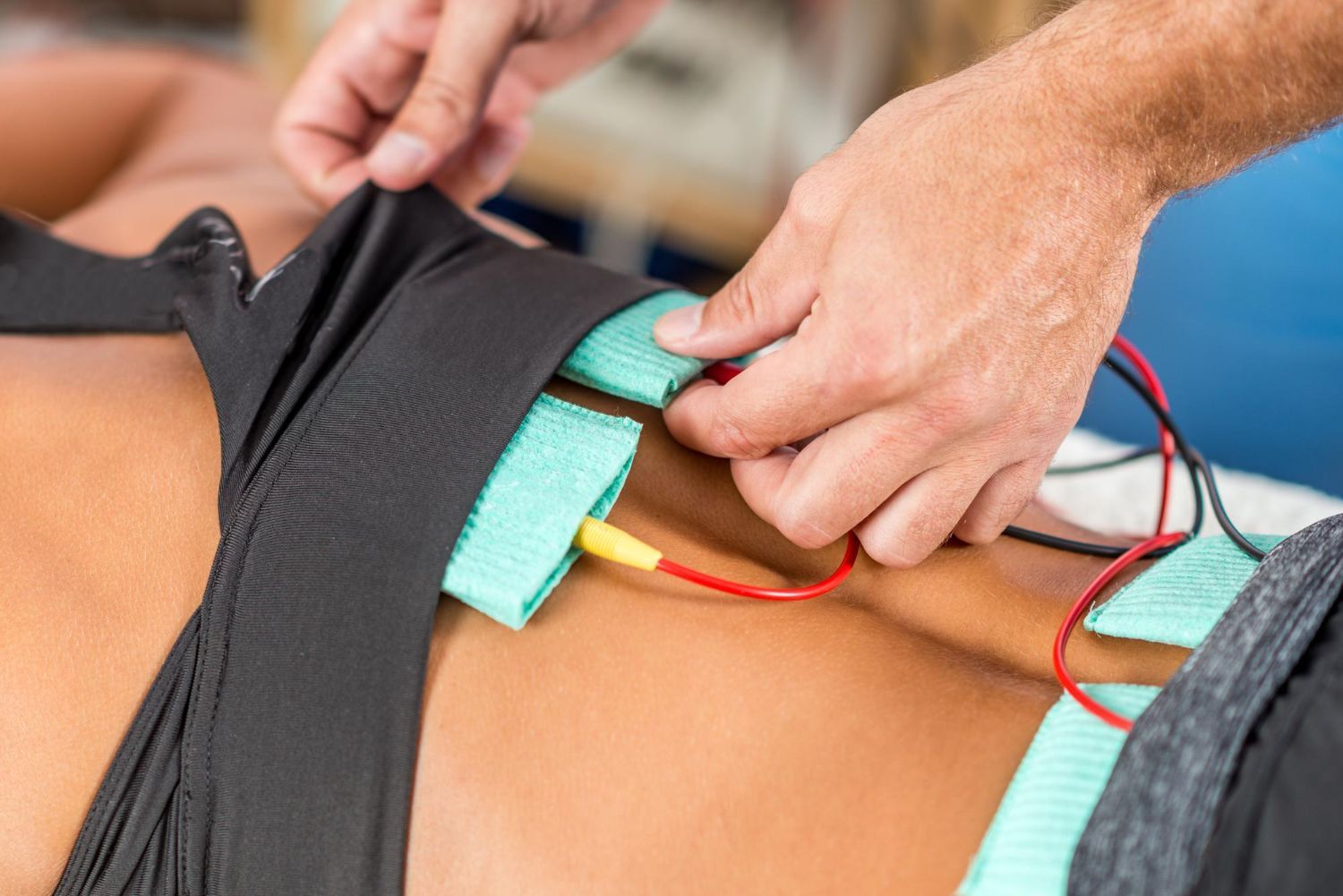
PRP often works best when paired with guided rehab. Targeted physical therapy can help improve mobility, correct movement patterns, and build strength around the injured area. This combo may support better results and may lower the risk of the same injury coming back as soon as you ramp up again.
What to Expect From PRP at a Specialty Pain Clinic
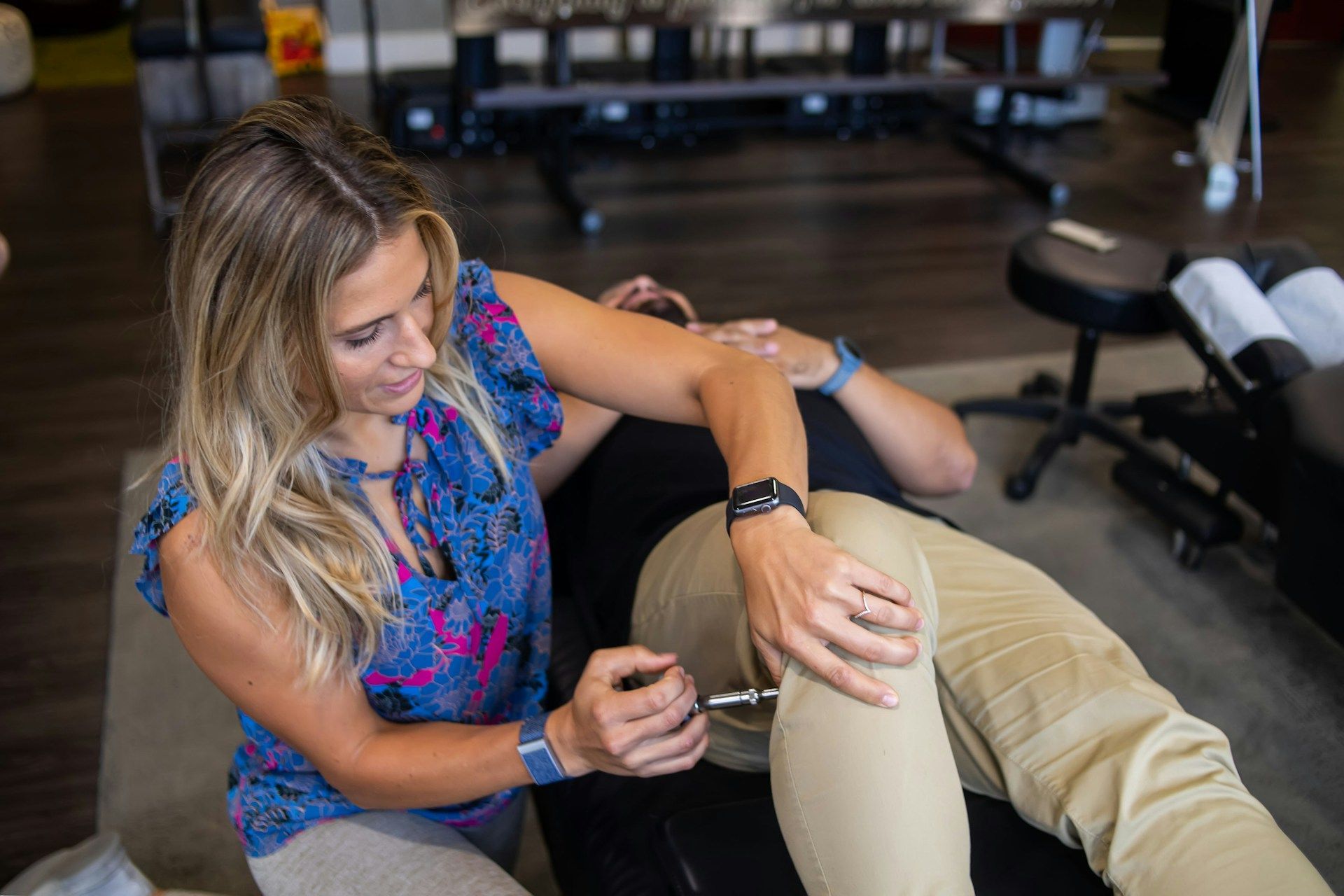
At a dedicated interventional pain clinic, PRP begins with a careful evaluation. A provider will typically review your medical history, current medications, past injuries, and any imaging such as X-rays or MRI scans. They will also ask about your sport, how often you play, and what you hope to get back to.
During the injection itself, image guidance is often used. That may include ultrasound or fluoroscopy, which is a type of live X-ray. These tools help the provider see the specific tendon, ligament, or joint space so they can place the PRP where it is most needed.
A personalized treatment plan usually covers:
- How many PRP sessions make sense for your condition
- What level of rest you will need right after the injection
- A step-by-step path to return to practice and full play
Comfort and safety are always part of the plan. Clinics may use numbing medicine for the skin or joint, talk through ways to manage soreness at home, and explain which symptoms are normal and which should be reported right away. Follow up visits help track your progress, adjust exercises, and plan your return to higher level activity.
Is PRP Pain Management Right for Your Injury?
PRP is not a one-size-fits-all answer. Some of the key things a provider will consider include:
- Your age and overall health
- The exact type and location of your injury
- How long you have had symptoms
- What treatments you have already tried
- Your sport, level of play, and seasonal goals
Possible benefits can include reduced pain, better joint or tendon function, and a chance at a steadier return to the activities you love. But PRP is not a magic fix or a guarantee. Results can vary from person to person, and some injuries may still need other forms of care.
PRP may not be ideal for everyone, particularly people with:
- Advanced joint damage where cartilage is very worn down
- Certain bleeding or clotting disorders
- Active infection or some medical conditions that affect healing
Insurance coverage for PRP can vary, and some plans label it as elective or experimental. That is why a direct conversation with a pain specialist is important. They can explain options, discuss likely expectations for your specific injury, and help you weigh PRP against other non-surgical treatments before you decide how to move forward.
Take The Next Step Toward Lasting Pain Relief
If you are ready to explore a non-surgical option that supports your body’s natural healing process, our team at Apollo Spine and Pain Center is here to help. Learn how
PRP pain management can be tailored to your specific condition and goals. Schedule an appointment today so we can evaluate your pain, discuss your options, and create a focused treatment plan to help you move with greater comfort.