When Interventional Spine Pain Management Helps Active Adults
Stay Active with Less Pain: Modern Options for Your Spine
Spine pain has a way of showing up right when you want to move. Long runs, strength workouts, weekend hikes, and even simple yardwork can all feel harder when your back or neck is aching. When pain hangs around, many active adults start skipping the activities they enjoy most.
Interventional spine pain management offers another path. Instead of only relying on pills or rest, these treatments focus on targeted, minimally invasive procedures that aim to calm irritated nerves and joints. The goal is not just to get through the day, but to help you move with more comfort and confidence.
At Apollo Spine and Pain Center, we work with athletes, weekend warriors, and busy professionals in Georgia who want to stay in the game. Our focus is on when these treatments make sense for people who want to keep an active lifestyle, not just get by.
How Spine Pain Disrupts an Active Adult Lifestyle
When your spine hurts, your whole routine changes. Simple things that used to feel easy can start to feel like a chore. Many active adults notice pain during activities such as running, walking, or hiking; playing sports like golf, tennis, or pickleball; strength training or group fitness classes; and even everyday demands like yardwork, home projects, lifting, traveling, long drives, or sitting on flights.
Common spine-related problems we see in active adults include:
- Herniated or bulging discs
- Facet joint arthritis in the neck or lower back
- Spinal stenosis that can narrow nerve spaces
- Sacroiliac (SI) joint dysfunction near the hips
- Muscle-related back pain and strain
Normal muscle soreness after a workout usually fades in a few days. Spine pain that needs a closer look often comes with warning signs like pain that lasts longer than a few weeks, pain shooting into the leg or arm, numbness/tingling/burning feelings, or pain that wakes you at night or limits normal tasks.
When pain is ignored, the body often compensates. You might change how you run, twist, or lift to protect the painful area. Over time, this can strain other joints and muscles, raise the risk of new injuries, and lower overall performance and conditioning.
What Interventional Spine Pain Management Really Means
Interventional spine pain management focuses on finding and treating the source of back or neck pain using image-guided procedures, often without major surgery. These treatments are usually done through small needles, not large incisions. Common procedures include:
- Epidural steroid injections to calm inflamed nerves
- Facet joint injections to target painful joints in the spine
- Nerve blocks to test and treat specific pain pathways
- Radiofrequency ablation to gently heat and quiet certain nerves
- Sacroiliac joint injections for pain near the pelvis and lower back
- Spinal cord stimulation to change how pain signals are felt
At Apollo Spine and Pain Center, imaging tools such as fluoroscopy or ultrasound are used to see the spine in real time. This helps guide the needle to the precise area that is suspected to be causing pain. The goal is to focus treatment where it is needed and limit impact on healthy tissue.
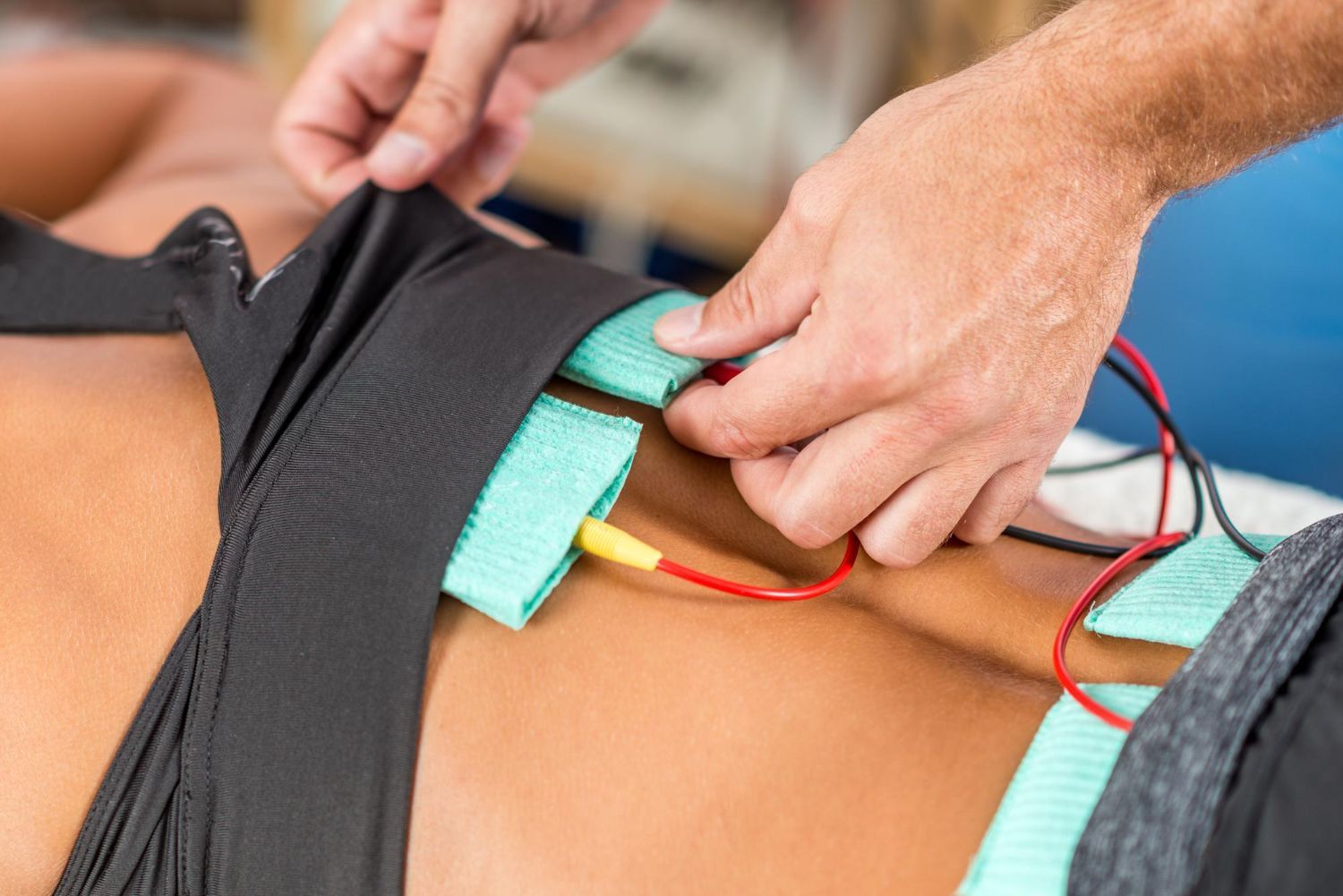
These procedures are often one part of a bigger plan. Your care may also include physical therapy to build strength and mobility, exercise changes to protect healing tissues, medications when appropriate, and lifestyle changes such as posture work and pacing activity. The idea is to combine tools, rather than rely on a single method, so you can move better and lower the chance of repeat flare-ups.
When Interventional Treatments Make Sense for Active Adults
Not every ache needs a procedure. Interventional spine pain management usually makes sense when simple steps are not enough. It may be appropriate if rest, ice or heat, and over-the-counter medications have not helped; basic physical therapy has not brought lasting relief; pain keeps returning every time you increase activity; or discomfort limits important parts of your routine or training.
Timing matters for many active adults. Some choose to address pain before:
- A key race or event later in the season
- A new sports league or training cycle
- Big trips that involve walking, standing, or long flights
Interventional treatments can sometimes help break a pain cycle so you can keep conditioning safely. When pain spikes during a training build-up, the right procedure may help calm symptoms so you can follow a more steady and smart training plan.
There are also signs that call for urgent evaluation instead of routine treatment planning. These include:
- Progressive weakness in the arms or legs
- Loss of bladder or bowel control
- Severe pain after a big fall or accident
In these cases, fast medical attention is important, and different types of care may be needed.
Benefits You Can Feel: Results Beyond Pain Relief
Pain relief is important, but most active adults care just as much about what they can do again. When interventional treatments are part of the right plan, many people notice changes such as:
- Walking longer without needing to stop
- Sitting through a game, meeting, or flight with less discomfort
- Returning to the gym or classes with more confidence
- Playing with kids or grandkids without constant worry about their back
There can also be performance-related benefits. Calmer pain can allow better mobility in the spine and hips, more consistent training instead of repeated breaks, and less reliance on certain pain medications that may affect alertness.
Recovery after a procedure varies by person and by treatment. Some injections may lead to soreness for a day or two before improvement starts, while others may provide relief more quickly. Radiofrequency ablation, for example, may take a bit of time before nerves fully quiet down, but can give longer-lasting changes for some patients.
We help set realistic expectations about:
- How soon pain relief may start
- What kind of short-term activity limits might be wise
- How to slowly build back toward sport or regular workouts
Ongoing work with a pain specialist, paired with a tailored exercise program, can help maintain gains and lower the odds of recurring flare-ups.
How Apollo Spine and Pain Center Creates Your Game Plan
At Apollo Spine and Pain Center, we start by listening. For active adults, we want to understand not just where it hurts, but what you want to get back to doing. Your first evaluation often includes:
- A detailed history of your pain patterns and triggers
- A focused physical exam that looks at strength, motion, and nerve signs
- Review of any prior imaging and possible new imaging when needed
- A clear conversation about your activity goals and concerns
We also look at your calendar. Race dates, sports seasons, busy work times, and family plans all matter. Treatment plans are shaped around these details so we can time procedures, therapy, and recovery phases in a way that fits your real life.
During that first visit, we also discuss what has helped or not helped in the past, any medications or supplements you are taking, and which interventional options may match your diagnosis and goals.
Follow-up visits are just as important. These check-ins help us:
- Track how much relief you are getting
- Adjust exercises or training guidelines
- Fine-tune treatment choices if pain patterns change
By treating you as a partner in the process, we work toward a plan that supports both your spine and your lifestyle over time.
Relieve Spine Pain and Get Back to What You Love
If chronic neck or back pain is limiting your daily life, we are here to help you find lasting relief with advanced
interventional spine pain management. At Apollo Spine and Pain Center, we focus on precise, minimally invasive treatments tailored to your unique condition and goals. Schedule an appointment today so we can work together on a plan to reduce your pain and restore your mobility.