When Sciatica Pain Radiates: Tracking Symptoms and Finding Relief
Living with sciatica can be tough. It’s a condition where pain starts in your lower back and shoots down one or both legs, often making everyday activities feel challenging. This radiating pain, sometimes paired with tingling or numbness, usually stems from a compressed nerve. Understanding the depth of sciatica’s impact can help you manage it better, highlighting why tracking its symptoms is so important.
Being knowledgeable about your symptoms opens doors to better treatment options. A clear record of pain patterns and triggers not only aids in pinpointing the right diagnosis but also in crafting an effective relief plan. This not only helps you but also guides healthcare professionals to provide tailored treatments aimed at easing your discomfort.
What is Sciatica?
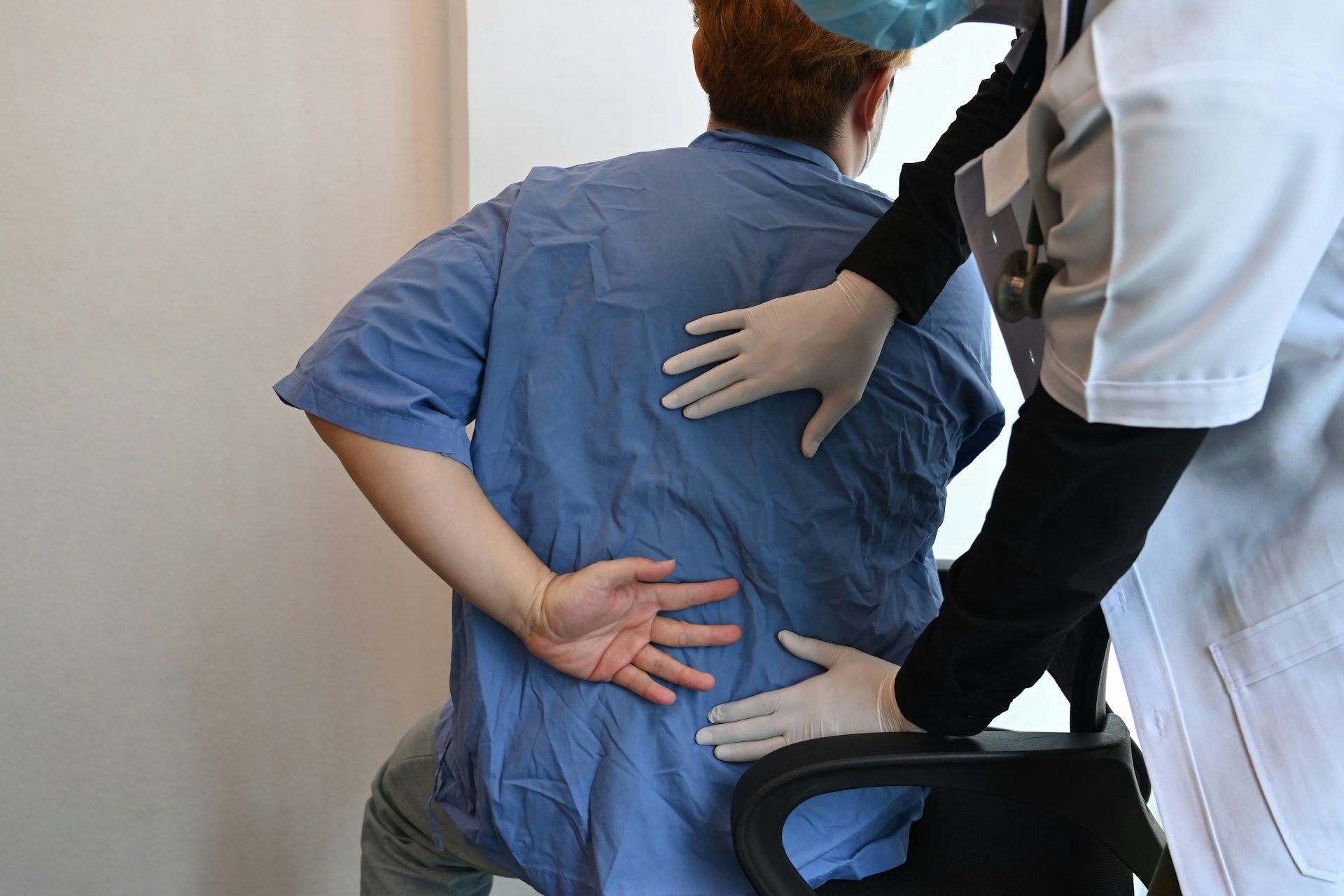
Sciatica isn't just an ache; it's a condition with notable and often severe symptoms. It occurs when the sciatic nerve, which travels from your lower back through your hips and buttocks down each leg, becomes compressed. This can happen due to a herniated disc, bone spur, or muscle strain, resulting in significant discomfort.
Common symptoms of sciatica include:
- Pain that varies from mild aches to sharp, burning sensations.
- Numbness and tingling that affect the lower back, buttocks, and legs.
- A feeling of weakness or heaviness in the leg or foot.
Certain activities can trigger or worsen these symptoms. Prolonged sitting, sudden movements, or even coughing might intensify pain. Recognizing these triggers can be crucial for avoiding attacks in the future.
Tracking Your Sciatica Symptoms
Keeping tabs on your sciatica symptoms is very helpful for any treatment journey. This practice provides valuable insights, helping you and your doctor understand how to address your pain best. Here are a few simple ways to track your symptoms:
- Pain Diaries: Regularly jot down details about your pain—when it starts, its intensity, and any activity that might trigger it.
- Mobile Apps: Use user-friendly apps designed for pain tracking to record your symptoms conveniently.
When documenting your symptoms, focus on:
- Intensity: Rate your pain on a scale of 1 to 10.
- Location: Specify exactly where you feel the pain.
- Duration: Note how long each episode lasts.
- Triggers: Identify activities or movements that seem to bring on pain.
This habit of tracking empowers you to be pro-active, not just reactive. It helps you connect patterns and discover what alleviates or aggravates your condition. With these insights, the search for sciatica relief becomes clearer and more structured, giving you better chances for effective pain management.
Treatment Options for Sciatica
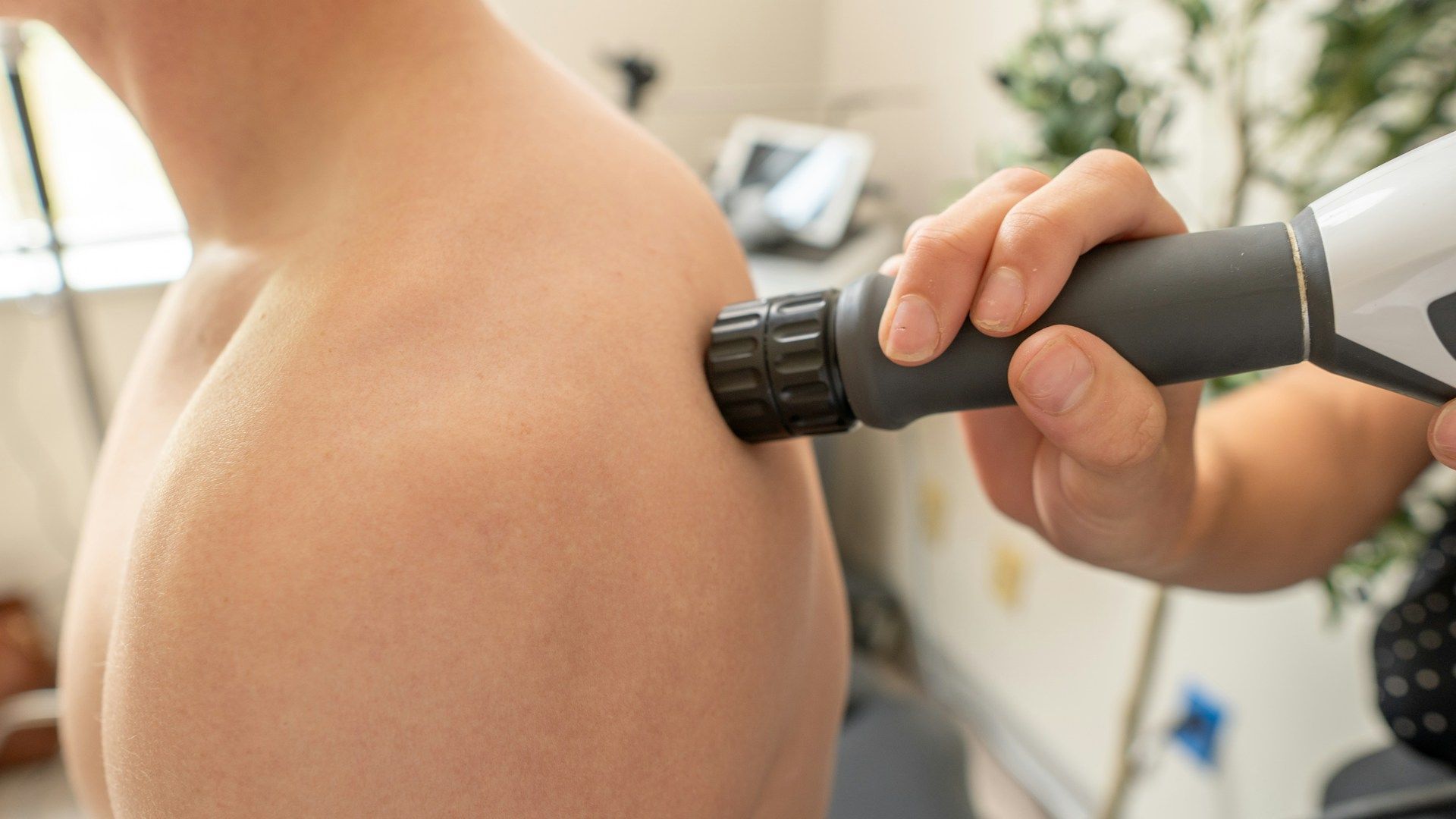
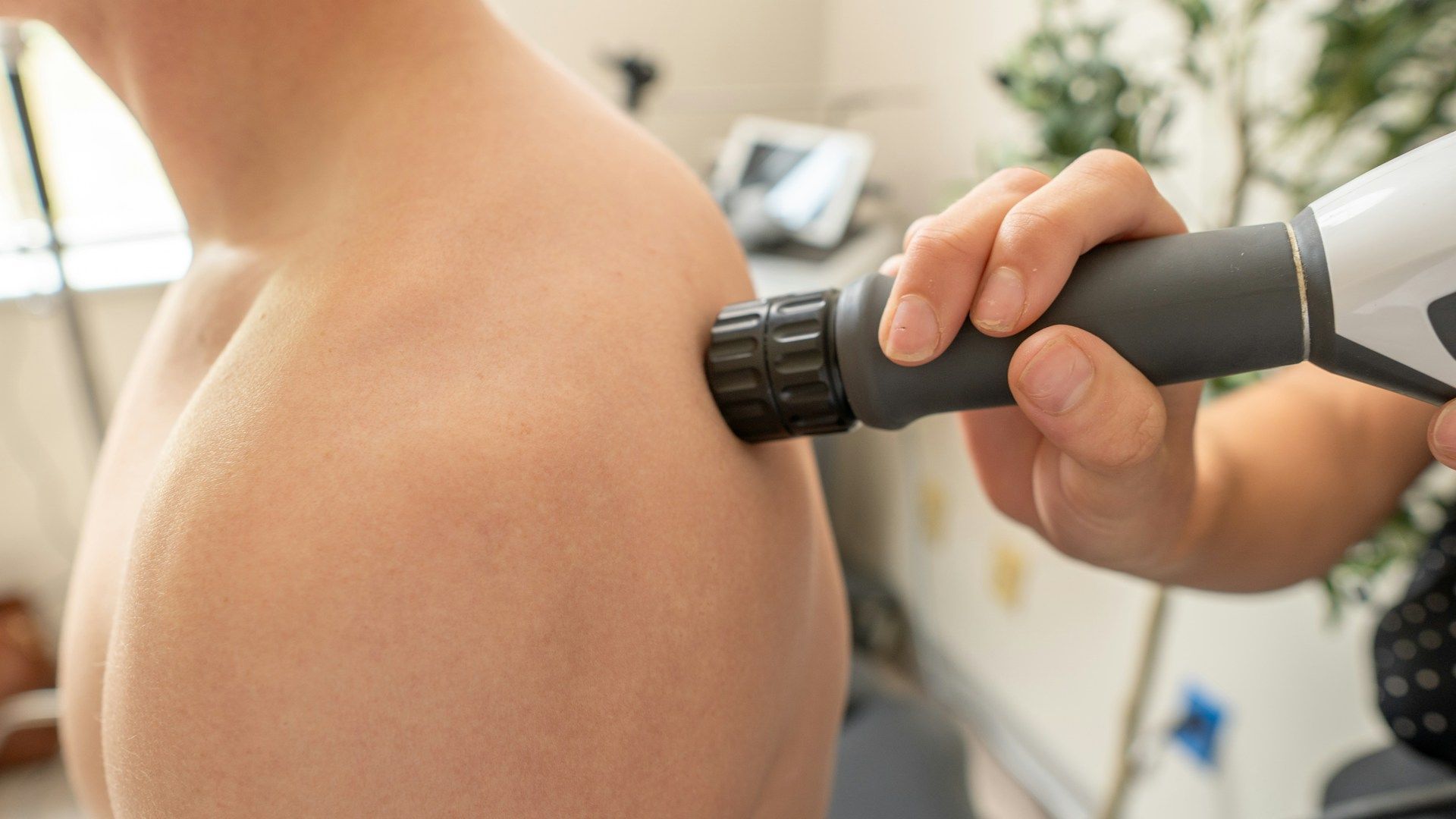
Handling sciatica doesn't have to mean surgery is your only option. In fact, a range of non-surgical treatments exists to help ease discomfort and improve your quality of life. Physical therapy is one powerful tool, providing personalized exercises that strengthen muscles and improve flexibility. If movement seems difficult, modalities such as heat and cold therapy can provide relief by reducing inflammation and numbing pain.
Medications also play a role in easing sciatica pain. Over-the-counter pain relievers or prescribed options can help manage symptoms effectively. Besides medications, lifestyle changes can reduce pain and enhance healing. Simple habits like standing and stretching after sitting for long periods or incorporating gentle yoga into your routine can make a significant difference.
For more targeted relief, interventional treatments offer advanced solutions. These treatments, available in locations like Cumming, GA, and Jasper, GA, address pain more precisely. Techniques such as epidural steroid injections deliver medication directly to the inflamed area, alleviating pain and helping you regain daily function. If these approaches don’t work, discussing surgical options with a healthcare provider becomes a necessary step. The decision is usually reserved for severe cases where other treatments haven’t provided the needed relief.
Preventive Measures and Lifestyle Adjustments
Preventing sciatica flare-ups requires attention to daily activities and adjustments that ease pressure on your spine. Firstly, incorporating regular exercise into your life helps maintain a healthy back. Activities like walking or swimming reduce stress on spinal areas compared to more strenuous workouts.
Proper posture is another essential aspect. Whether sitting at your desk or standing, being conscious of how you hold your body reduces unnecessary strain. It’s worth setting up an ergonomic workspace to support your back’s natural curve. Adjust your chair so your feet rest flat on the floor, and ensure your computer screen is at eye level.
At home and work, small changes can go a long way. Think about your sleeping position; sleeping on your side with a pillow between your knees can keep your spine aligned. In your workspace, use a standing desk or take breaks to move around. These habits can prevent stress and keep sciatica symptoms at bay, promoting a healthier lifestyle.
Finding Relief at Apollo Spine and Pain Center
Managing sciatica effectively often requires more than at-home care. Seeking professional help ensures that you receive a comprehensive treatment approach tailored to your unique needs. The combination of expert insights and advanced treatment options paves the way for relief.
Timely intervention is key. Addressing symptoms early prevents them from worsening and improves outcomes. With a focus on personalized care, solutions that match the root cause of your pain offer the best chance for a more comfortable life. Let the knowledge and resources available guide you as you navigate your recovery, creating a pathway to regain control and overcome challenges associated with sciatica.
Tackling sciatica head-on means understanding all available options and seeking expert guidance when necessary. For those experiencing ongoing discomfort, it's beneficial to explore
interventional spine pain management. At Apollo Spine and Pain Center, a variety of advanced treatments are tailored to provide targeted relief, helping you reclaim comfort in your daily routine. To learn more about how these solutions can help you, take a step closer to relief today.