Fibromyalgia Pain Meds: How to Taper Safely and Build a Multimodal Plan
Regain Control: A Safer Path Off Fibromyalgia Pain Medications
Fibromyalgia is a long-lasting pain condition that affects muscles, joints, sleep, and mood. Many people are prescribed fibromyalgia painkillers like opioids, gabapentin or pregabalin, certain antidepressants, and muscle relaxers to help them get through the day. These medications can help calm an overactive nervous system, but they can also come with tradeoffs.
You may notice brain fog, weight gain, grogginess, or you may feel worried about dependence and long-term use. You may feel stuck, afraid to change anything because you do not want your pain to spike. That feeling is very common, and you are not alone in it.
A slow, medically guided taper, paired with a strong multimodal plan, can give you more control. By working on sleep, physical therapy, cognitive behavioral therapy (CBT), and gentle exercise, it is often possible to lower doses safely and still keep pain more steady. At Apollo Spine and Pain Center in Georgia, we focus on thoughtful, minimally invasive, and medication-smart care for people living with fibromyalgia, especially when life gets busy toward late summer and beyond.
Understanding Fibromyalgia Painkillers and When to Taper
Fibromyalgia pain is complex. There is no single pill that erases it. Instead, doctors often layer different types of medications, such as:
- Neuropathic agents like pregabalin and gabapentin
- SNRIs and other antidepressants like duloxetine or milnacipran
- Muscle relaxers for tight, aching muscles
- Opioids in select cases, usually for short-term or very severe pain
These medications can lower pain sensitivity, help with sleep, and support mood. But they rarely make pain vanish. Many people still feel sore and tired, just in a slightly smaller circle of pain.
Reasons to consider a taper include:
- Side effects that affect work, school, or parenting
- Brain fog, memory problems, or trouble focusing
- Falls, dizziness, or feeling sedated
- Trying to conceive or pregnancy planning
- Feeling that the benefit has leveled off while the dose keeps going up
There are also red flags that need urgent medical review, such as:
- Worsening depression, anxiety, or thoughts of self-harm
- Using opioids in unsafe ways or mixing them with alcohol or other sedatives
- Escalating doses without clear pain relief
- Taking more than prescribed to chase short-term comfort
Stopping fibromyalgia painkillers suddenly can cause withdrawal, rebound pain, sweats, stomach upset, severe anxiety, or sleep trouble. This is especially true with opioids, gabapentinoids, and antidepressants. A planned taper with a pain specialist is much safer and usually more comfortable.
How to Taper Fibromyalgia Pain Medications Safely
There is no one-size-fits-all taper schedule. The right pace depends on:
- Which medications you are on and at what doses
- How long you have taken them
- Other health conditions and mental health needs
- Work, school, caregiving, and seasonal triggers
A common starting point is a slow decrease, such as 5 to 10 percent of the dose every 2 to 4 weeks. This is only a rough example, not a rule. The plan is adjusted often based on how you feel, big life events, travel, or known flare seasons like very hot and humid stretches in Georgia.
During a taper, it helps to know the difference between:
- Withdrawal: new anxiety, sweating, stomach issues, chills, or a sudden sharp increase in restlessness or insomnia
- Fibromyalgia flare: more widespread aching, fatigue, brain fog, or sensitivity to touch and noise
Both can overlap, which is why a daily symptom log is so helpful. A simple notebook or phone note tracking pain, sleep, mood, and medication changes gives your pain specialist a clear picture.
An interventional pain specialist can:
- Decide which medication to lower first and which to keep stable
- Watch blood pressure, heart rate, sleep quality, and mood
- Offer non-opioid options and minimally invasive procedures to help with specific pain generators during the taper
- Adjust the pace if you are struggling or doing better than expected
Self-tapering or quitting cold turkey often leads to a crash, then going back to a higher dose out of fear. It is safer to involve family or close friends too, so they can watch for mood changes or signs that you are not coping well and help you ask for support early.
Building a Sleep and Stress Foundation During a Taper
Poor sleep makes fibromyalgia pain louder. When you are tapering pain medications, sleep can be even more fragile. Building a strong sleep routine is one of the best tools you can give yourself.
Practical sleep strategies include:
- Keeping consistent bed and wake times, even on weekends
- Keeping your bedroom cool and dark, especially during hot summer nights
- Avoiding caffeine late in the day and dimming bright screens before bed
- Creating a short, repeatable wind-down routine, like light stretching, reading, or easy breathing exercises
CBT and CBT for insomnia (CBT-I) can help you notice and change unhelpful thoughts around pain and sleep. For example, shifting from “I will never sleep and tomorrow will be awful” to “My body has coped before, and I am building better habits now.” These therapies can cut down catastrophizing and build coping skills without adding more pills.
At Apollo Spine and Pain Center, we can coordinate with mental health providers and primary care to help integrate CBT into your overall pain plan. We also pay attention to anxiety and depression that may show up or worsen when medications change.
Mindfulness practices can fit right into your nighttime routine. Brief options include:
- Guided imagery or body scans
- Simple breath counting
- Short journaling prompts, like writing down three small wins from the day
These tools do not interact with your medications and can be used as often as you like.
Movement, PT, and Gentle Exercise to Support Less Medication
With fibromyalgia, it is easy to slip into a pattern of rest only. The problem is that too much rest can lead to muscle loss and stiffness, which then raises pain and fatigue. Gentle, planned movement can break that cycle.
Physical therapy can help by:
- Teaching pacing so you do not overdo it on good days
- Showing safe body mechanics for lifting, bending, and daily tasks
- Prescribing simple, targeted stretching and strengthening
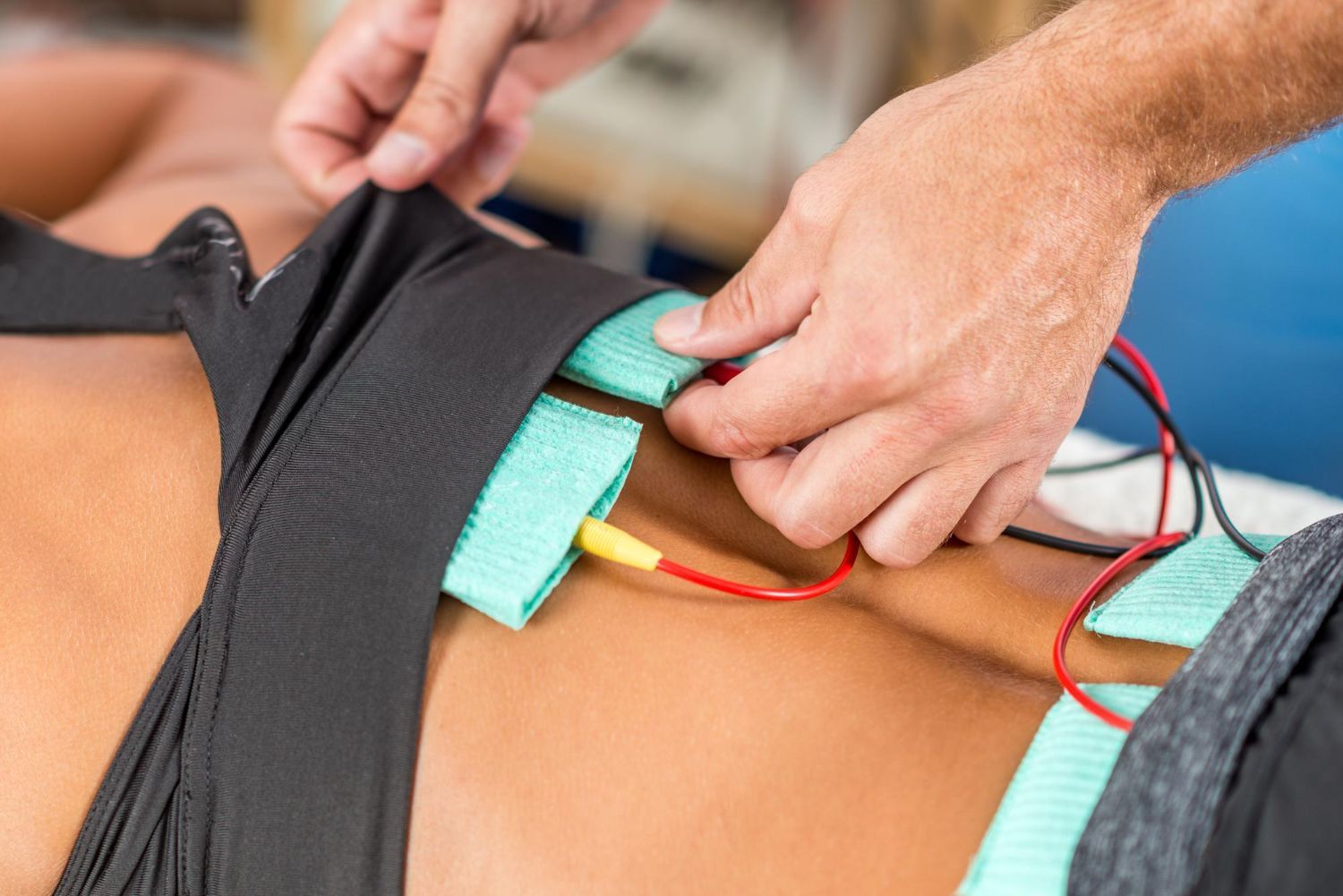
- Using tools like heat, TENS, or dry needling when appropriate
Low-impact exercise options that are often realistic include:
- Indoor pool walking or gentle water aerobics
- A recumbent bike at home or in a gym
- Short walks in the early morning or later evening to avoid heat
The key is to start very small, maybe just 5 to 10 minutes, and repeat that same amount most days of the week. A helpful guide is the “2-day rule”: if a certain movement spikes symptoms, scale back for one or two days, then return at a lower level instead of stopping completely.
Interventional procedures at Apollo Spine and Pain Center can target specific pain drivers in the spine or joints. By lowering those hotspots, many people find they can tolerate PT and gentle exercise better while decreasing fibromyalgia painkillers.
Partnering with a Pain Specialist for a Multimodal Plan
A multimodal approach means we do not lean on medications alone. Instead, we bring several tools together:
- A thoughtful, personalized taper of fibromyalgia painkillers
- A strong sleep routine and CBT-based coping skills
- Structured physical therapy and low-impact exercise
- Interventional pain options when they are a good fit
Before you meet with a pain specialist, it helps to prepare by:
- Bringing a full list of current medications and past treatments
- Tracking pain, sleep, mood, and activity for one to two weeks
- Writing down clear goals, such as walking the dog daily, working full shifts, or sleeping most nights without long wake-ups
As a Georgia-based interventional pain clinic, Apollo Spine and Pain Center understands how work schedules, school calendars, family plans, and even seasonal flares can affect your body. Our goal is to build a plan that fits your real life, not a perfect life on paper, so you can move toward less medication and more steady function in a safe, supported way.
Find Safer, Smarter Relief Options For Your Fibromyalgia Pain
If you are unsure whether your current
fibromyalgia painkillers are really helping, we can help you explore options that fit your life and medical history. At Apollo Spine and Pain Center, we take time to understand your symptoms, triggers, and treatment goals before recommending any plan. Schedule an appointment today so we can work together on a more personalized, evidence-based approach to managing your pain.