The Power of Regenerative Medicine in Tackling Diabetic Neuropathy
Diabetic Neuropathy is a prevalent and debilitating complication of diabetes, affecting approximately 50% of people with this chronic disease. It manifests as nerve damage caused by prolonged exposure to high blood sugar levels, resulting in varying levels of pain, numbness, and tingling in the extremities. This distressing condition, coupled with its potential to cause severe disabilities, dampens the quality of life for millions of individuals across the globe.
We recognize the importance of adopting a comprehensive, tailored approach to treating Diabetic Neuropathy pain. Beyond traditional pain relief strategies, emerging advancements in the field of regenerative medicine have shown promising results in alleviating pain and fostering the healing process for those grappling with this challenging condition. Through the use of innovative therapies, such as Platelet-Rich Plasma (PRP) therapy, we strive to support patients in their journey toward improved functioning, long-lasting pain relief, and a renewed sense of well-being.
Are you struggling with Diabetic Neuropathy pain and yearning for a comprehensive and cutting-edge solution? Reach out to our dedicated pain management specialists today, and let us draw upon the capabilities of regenerative medicine to develop a personalized, holistic pain relief plan for you. We are committed to helping you navigate the complexities of Diabetic Neuropathy and guiding you toward a future marked by healing, restoration, and lasting comfort.
Understanding Diabetic Neuropathy: The Struggle with Nerve Damage and Pain
Diabetic Neuropathy is a nerve-damaging complication linked to longstanding, uncontrolled diabetes. It primarily affects peripheral nerves, often causing painful sensations or numbness in the hands, feet, and extremities. As nerve damage progresses, it may lead to muscular weakness, unsteady gait, and limited mobility, severely impacting one's daily life. Moreover, Diabetic Neuropathy also exacerbates the risk of skin ulcers, infections, and other complications.
Dealing with Diabetic Neuropathy pain can prove challenging, as traditional pain relief methods may be insufficient. Hence, there is a need for alternative, comprehensive, and innovative solutions to manage and alleviate the pain more effectively.
Regenerative Medicine: A Healing-centric Approach to Pain Management
Regenerative medicine is a game-changing field focused on harnessing the body's natural healing mechanisms to repair and restore damaged tissue, including nerves. By using cutting-edge therapies like stem cell treatments, growth factor therapies, and Platelet-Rich Plasma (PRP) therapy, regenerative medicine can promote tissue regeneration while providing long-lasting pain relief.
In the context of Diabetic Neuropathy pain management, regenerative medicine has demonstrated immense potential, as it not only addresses symptomatic pain relief but also fosters the healing of damaged nerves.
Platelet-Rich Plasma (PRP) Therapy: A Natural Solution to Diabetic Neuropathy Pain
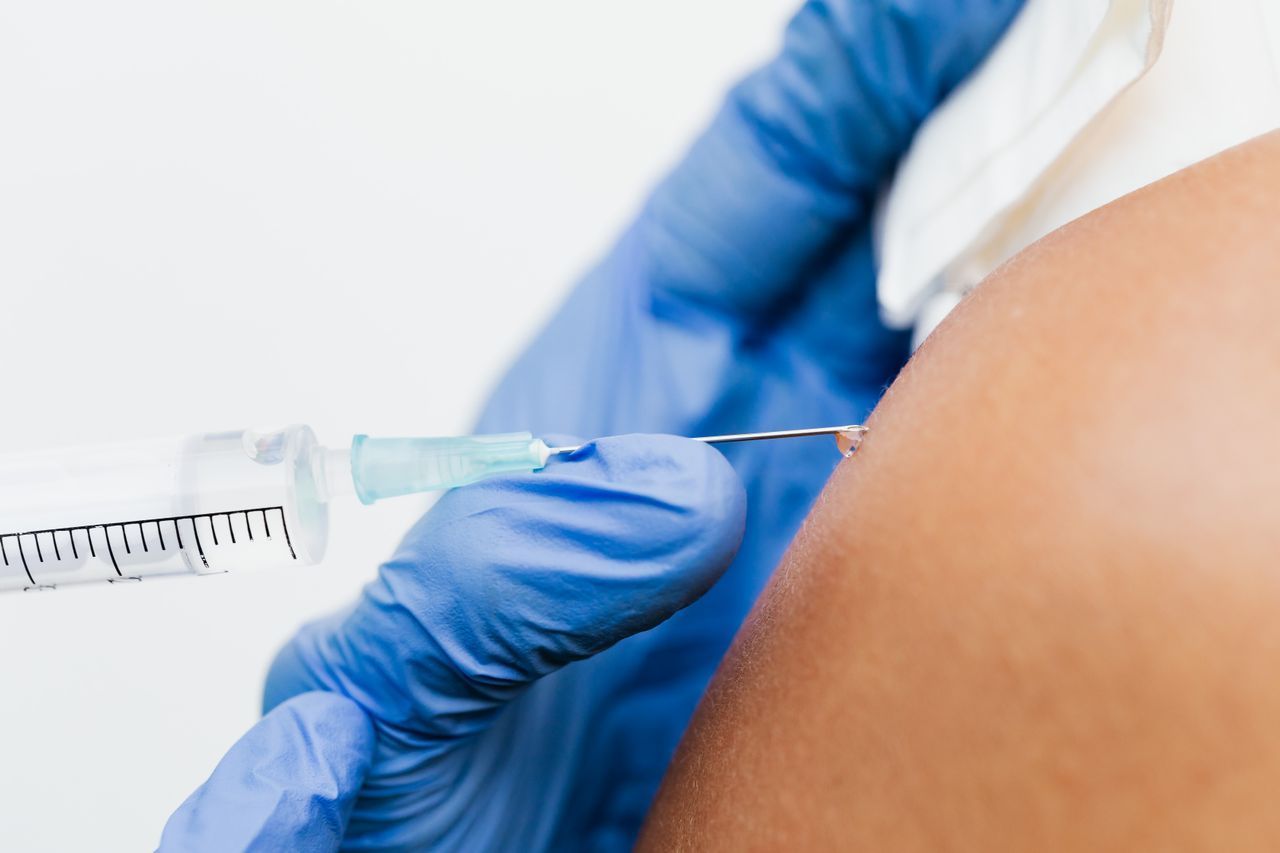
Platelet-Rich Plasma (PRP) therapy is a regenerative medicine treatment that uses the patient's own blood to promote healing and pain relief. It works by concentrating platelets from a blood sample and injecting them into the affected area, kickstarting the body's reparative process.
PRP therapy offers numerous benefits in managing Diabetic Neuropathy pain, such as the following:
1. Reducing inflammation: PRP therapy can lessen inflammation and swelling associated with nerve damage, resulting in more effective pain relief.
2. Promoting nerve repair: Platelets contain growth factors that encourage the regeneration of nerve tissue, potentially improving nerve function and reducing pain caused by Diabetic Neuropathy.
3. Enhancing blood circulation: PRP therapy can help improve blood flow to the affected area, promoting faster healing and providing relief from discomfort.
Since PRP therapy utilizes the patient's blood, it comes with minimal risks and side effects, making it an attractive treatment option for those seeking a more natural solution to Diabetic Neuropathy pain.
A Comprehensive Approach to Diabetic Neuropathy Pain Management
Effectively managing Diabetic Neuropathy pain requires a multifaceted treatment strategy that considers pain relief, healing, and overall wellness. Some additional pain management techniques to be integrated alongside regenerative medicine treatments include the following:
1. Blood sugar control: Reducing blood sugar levels is crucial to prevent further nerve damage. Working with a diabetes care professional, patients should develop personalized plans for optimal blood sugar management.
2. Medication management: Ensuring the proper use of medications prescribed for Diabetic Neuropathy pain is essential. Be it anti-seizure medications, antidepressants, or opioids, a balanced approach is vital in maintaining the effectiveness of the treatment.
3. Physical therapy: Engaging in regular physical therapy can help strengthen muscles, improve balance, and enhance mobility, all crucial in managing the impact of Diabetic Neuropathy pain.
4. Lifestyle adjustments: Adopting healthy habits, such as a balanced diet, regular exercise, and stress management, also play an important role in managing Diabetic Neuropathy and overall well-being.
Embrace Regenerative Medicine for a Renewed Life with Diabetic Neuropathy Pain Management
Diabetic Neuropathy is a challenging condition that demands innovative yet holistic solutions to manage pain effectively and foster healing. Regenerative medicine therapies like PRP have proven their potential in improving the lives of patients with Diabetic Neuropathy, offering hope for lasting pain relief and restoration.
Are you seeking an advanced, patient-centered approach to Diabetic Neuropathy pain management? Reach out to Apollo Spine and Pain Center today. Let us help you develop personalized, integrative
pain management in Cumming, GA. Let's work towards conquering your pain and embracing a brighter, more vibrant future.