Hip Pain or Back Problem? How to Tell What’s Really Wrong
Understanding the Source of Your Hip or Back Pain
Hip and lower back pain can feel very similar, which is why so many people are unsure where their pain is actually starting. The hip and spine share overlapping nerves and muscles, and pain can easily spread into the buttocks, thigh, or even the knee. When this happens, it is not always obvious whether the main problem is in the hip joint or in the lower back.
Getting the source right matters. If we treat the hip when the spine is really the issue, or focus only on the spine when the hip is to blame, relief is often temporary or incomplete. As an interventional pain management doctor, our job at Apollo Spine and Pain Center is to look past the surface and carefully test each possible pain source. We do this with detailed physical exams, appropriate imaging, and targeted procedures that can both diagnose and treat.
In this article, we will walk through how hip pain usually behaves, how spine pain usually behaves, what to look for when symptoms overlap, and how an interventional pain management specialist in Cumming or Jasper can help you get clear answers.
How Hip Joint Problems Typically Feel and Behave
When pain is truly coming from the hip joint, people often describe it as deep and hard to reach with a fingertip. Common locations include the groin, the front of the hip, the side of the hip, and sometimes the upper thigh. Pain from the hip can also show up as aching around the knee, which can be very confusing.
Hip pain can be caused by several different issues, such as arthritis, labral tears, bursitis, tendinitis, or hip impingement. These problems tend to show themselves in daily life with specific movements. For example, you may notice pain when:
- Getting in and out of a car
- Putting on socks or shoes
- Standing up from a low chair
- Walking longer distances
- Going up or down stairs
Hip-specific patterns often include stiffness after sitting for a while that slowly eases as you walk, pain that gets worse with weight-bearing, and discomfort when lying on the affected side. Many people feel limited when trying to rotate the leg, cross the leg over the other, or pull the knee toward the chest. A simple task like tying a shoe can suddenly feel tight or blocked.
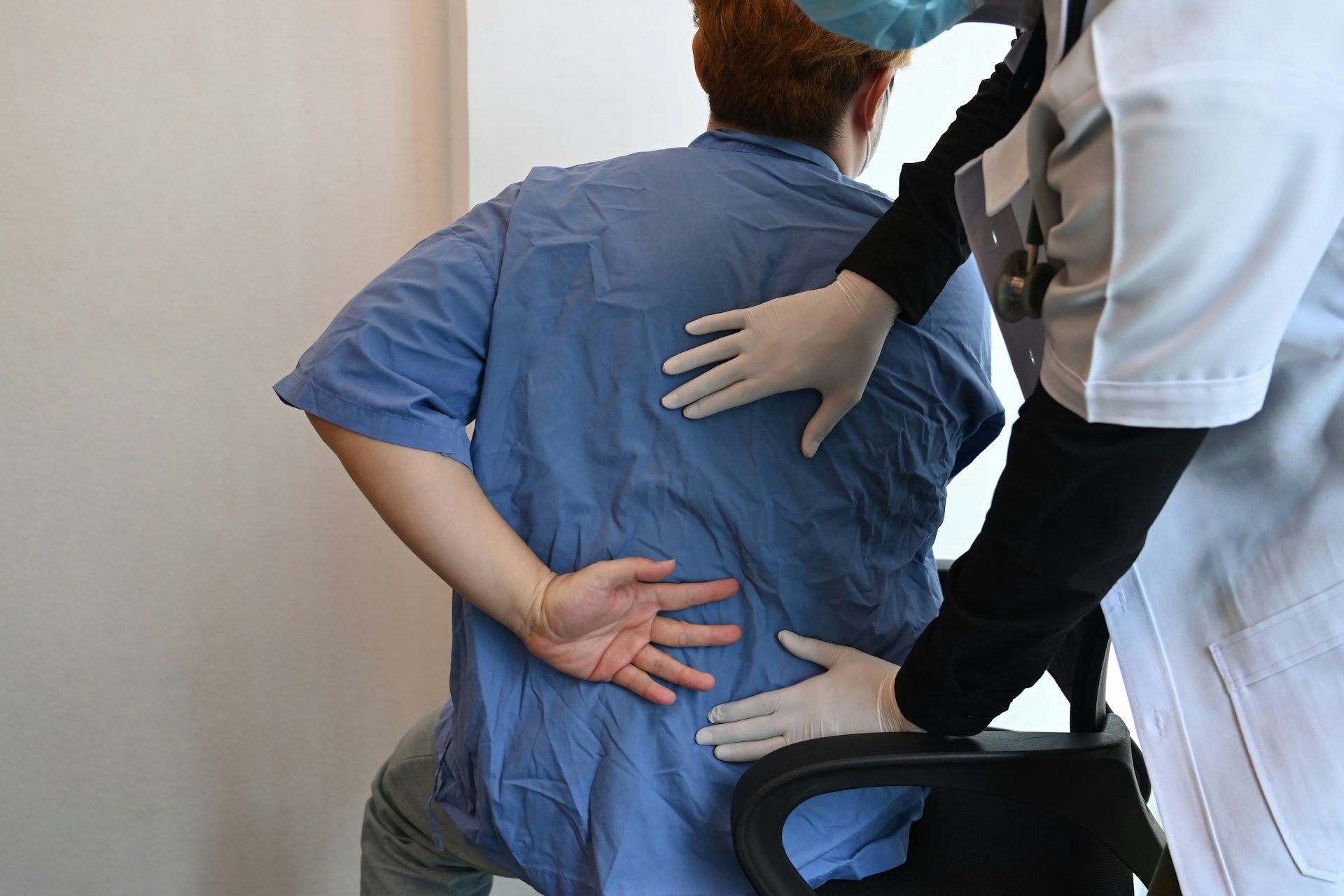
As an interventional pain management doctor, we pay close attention to how the hip moves. During the physical exam, we may gently rotate, flex, and extend your leg while watching for where the pain appears. If certain hip positions reliably trigger your usual pain, that is a strong clue the hip joint is involved. We may also review X-rays or other imaging to look for joint space narrowing, bone spurs, or other signs of hip disease.
One powerful tool is a targeted injection into the hip joint, guided by imaging. If numbing medicine placed directly in the hip gives you strong short-term relief, that tells us the hip is a major pain generator. If it does not help much, we start looking more closely at the spine and surrounding structures.
Signs Your Pain Is Coming From the Spine Instead
Pain that starts in the lower back often feels different from true hip joint pain. Many people describe a dull ache across the belt line area, sometimes with sharp twinges. The pain may spread into the buttock, down the back or side of the leg, and even into the foot. It may flare with standing for too long, bending forward, twisting, or lifting.
Common spinal causes include herniated discs, spinal stenosis, facet joint arthritis, and sacroiliac joint dysfunction. Each of these can create patterns that look a lot like hip trouble. For example, a pinched nerve in the lower back can make the outer hip and thigh burn or ache, which can easily be mistaken for a hip problem. Sacroiliac joint pain can sit right near the dimples of the lower back and point directly toward the buttock.
Nerve-related symptoms often point to the spine. These include:
- Numbness or tingling in the leg or foot
- Weakness when lifting the foot or toes
- A burning, electric, or zapping feeling down the leg
- Pain that worsens with coughing or sneezing
As an interventional pain management specialist, we use tools like MRI, nerve testing when appropriate, and image-guided injections to clarify the picture. For example, an epidural steroid injection in a specific part of the spine can both treat inflammation and help confirm which nerve root is involved. Facet or sacroiliac joint injections can show whether those joints are the main source of pain. By matching your symptoms, exam findings, and response to carefully placed injections, we can identify whether the spine is driving your pain.
When Pain Overlaps: Hip, Spine Syndrome Explained
Many adults, especially as they get older, have both some degree of hip joint wear and tear and lumbar spine changes at the same time. This combination is often called hip spine syndrome. With multiple problem areas, it is easy for symptoms to overlap and change from day to day.
For example, you might have deep groin pain from hip arthritis at the same time as low back pain from disc issues. Or, you could have hip bursitis causing outer hip tenderness plus a pinched nerve from the spine sending pain down the same leg. When pain moves between the hip, buttock, and thigh, self-diagnosing becomes very difficult.
In these situations, a stepwise, detailed evaluation is essential. As an interventional pain management doctor, we start with a careful history, asking when symptoms began, what makes them better or worse, and how they limit your activities. We then examine both the hip and the spine, not just the area that hurts the most. Imaging may be ordered, but we do not rely on pictures alone, because many people have abnormal findings without pain.
Diagnostic injections often play a key role. For instance, treating the hip joint may relieve some, but not all, of your symptoms. That partial improvement tells us the hip is part of the problem, but not the whole story. We may then target the spine, sacroiliac joint, or surrounding soft tissues. Putting all of this information together helps us design a comprehensive, multi-area treatment plan that aims for lasting relief rather than short-term fixes.
How an Interventional Pain Management Doctor Helps You Heal
When you come to Apollo Spine and Pain Center in Cumming or Jasper, your visit starts with listening. We review your medical history, past treatments, and any previous imaging. We ask about your work, hobbies, and daily routines so we understand how pain affects real-life tasks like walking, working, sleeping, and caring for family.
We then perform movement and strength testing, checking how your back, hips, and legs function as a unit. This includes watching how you stand, walk, bend, and rotate, and then performing more specific maneuvers to narrow down possible pain generators.
Treatment rarely looks the same for any two people. Non-surgical options often include:
- Thoughtful medication management
- Targeted physical therapy focused on hip and core strength
- Activity modification and pacing strategies
- Home-based approaches, such as posture changes and gentle stretching
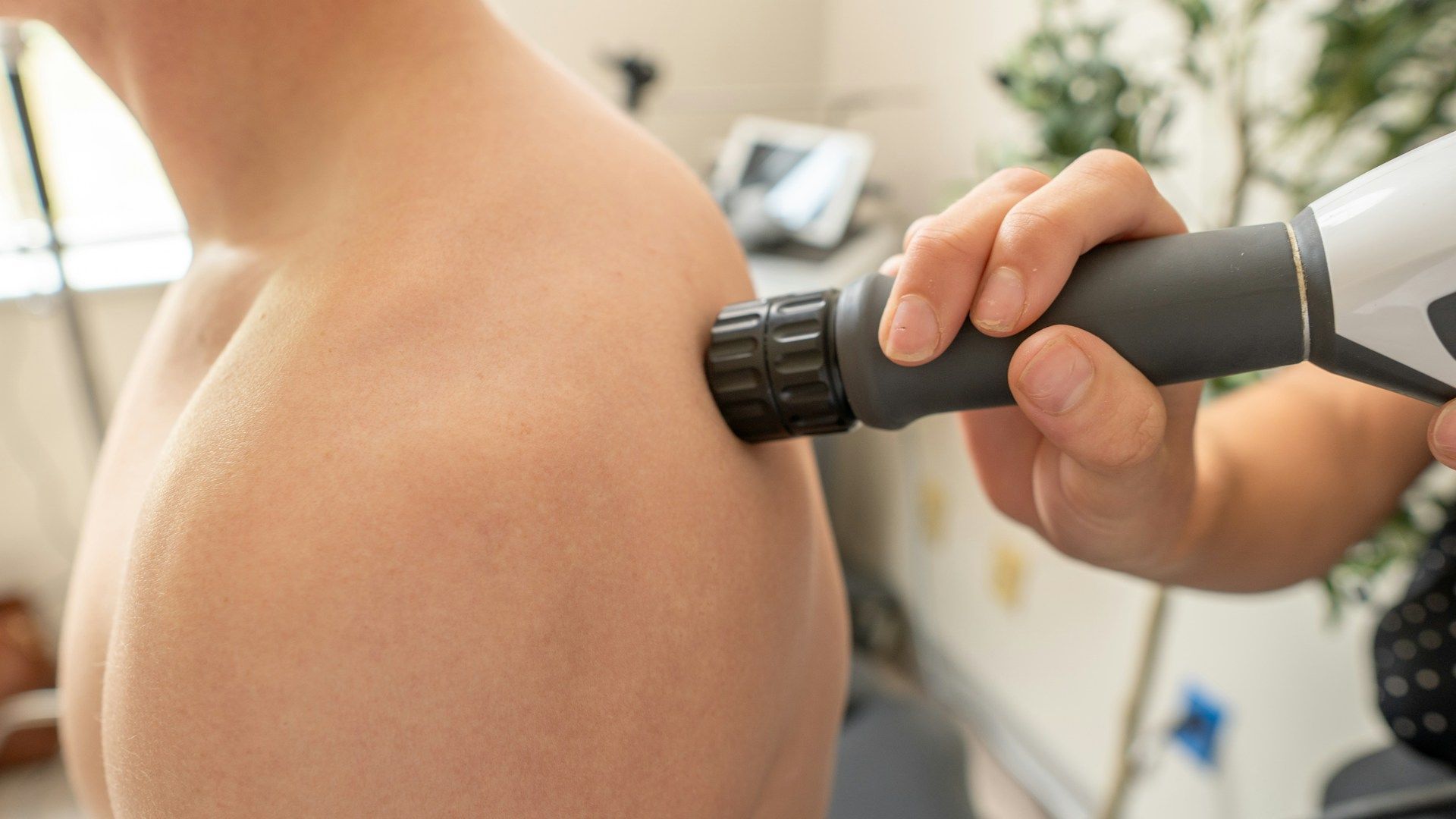
Interventional procedures may include image-guided hip injections, epidural steroid injections, facet or sacroiliac joint injections, nerve blocks, or radiofrequency ablation for certain chronic pain patterns. These techniques are designed to place medicine precisely where it is needed, reduce inflammation, calm irritated nerves, and confirm the true source of pain. Working with an interventional pain management specialist allows your plan to be customized based on whether the hip, spine, or both are involved, with the goal of reducing pain, improving function, and helping you stay as active as possible.
Taking the Next Step Toward Lasting Pain Relief
Persistent hip or back pain is not something you need to simply put up with, especially if it is limiting how far you can walk, interfering with sleep, or making work and favorite activities hard to enjoy. Pain that lingers or slowly worsens is your body asking for attention, and early evaluation often leads to more options and better results.
It is important to seek care quickly if you notice new or worsening leg weakness, frequent tripping or falls, significant trouble walking, sudden changes after an auto injury, or pain that is steadily increasing despite rest and basic self-care. An interventional pain management doctor can help you sort out whether your pain is coming from the hip, the spine, or both, so treatment targets the right place. With a clear diagnosis and a thoughtful, personalized plan, many people are able to move toward a more active, comfortable life.
Take Control Of Your Pain And Reclaim Your Day-To-Day Life
If chronic pain is keeping you from doing what you love, our team at Apollo Spine and Pain Center is ready to help you find a clearer path forward. Schedule an evaluation with an experienced
interventional pain management specialist so we can pinpoint the source of your pain and create a personalized treatment plan. We focus on minimally invasive options that aim to reduce pain, support function, and improve your overall quality of life. To request an appointment or ask questions, please
contact us today.